Words of Danny O'Bigbelly My idea of a good time

January 27, 2011

There will be minor consequences

Filed under: General — DannyO @ 2:44 am

I never realized that my blog entries were good enough to steal, but apparently they are.

Perhaps I’ve been selling myself short.

Well, on the other hand, the thief or thieves have invested enormously more time and energy in marketing my stuff than I ever could, so maybe they deserve whatever they can get from it.

But it would be nice to get a small cut.  Port and Stilton ain’t free, you know.

January 19, 2011

A message from the proprietor

Filed under: General — DannyO @ 4:26 am

This web site has been having some difficulties recently, for reasons that are unclear and therefore have yet to be addressed.  The primary symptom is that sometimes this blog will appear to unavailable, or else the viewer will be denied permission to view its contents.  This is a transient problem and is resolved by reloading once or twice after a moment has passed.

We apologize for any inconvenience.

July 8, 2010

A requiem for two brothers

Filed under: General — DannyO @ 7:45 pm

My daughters still remember what we had for dinner the night I brought home Cinnamon and Pepper on a cold, snowy day in early December, 2007. It wasn’t a special meal–wagon wheel pasta with alfredo sauce, peas, and sausage–and at their age, the last two and a half years represents a large fraction of their lives, but they remember it anyway. It was a day of great significance and excitement in our household.

Cinnamon and Pepper are brothers; male rats from the same litter. Pet rats are a special breed, not the same stock as wild rats. They have been bred for dozens, perhaps hundreds, of generations to be playful, smart, and friendly. Cinnamon and Pepper have never been anything less than outstanding in these regards. The girls loved them, made toys for them, wrote songs about them, and talked about them endlessly, although their attention drifted as the boys got older and the novelty wore off.

Rats don’t have a long lifespan. It can vary quite a bit from one rattery to another (some breeders aim for longevity, others for different kinds of coats and markings, others for specific personality traits). At the beginning of their second year, it was clear that the brothers were slowing down, especially Cinnamon. He developed some sort of tumor on his abdomen, and then slowly lost control of his hind legs. He could still pull himself around the cage and up and down the ramps and climb into the hammock for a while, but eventually he became a prisoner of gravity and confined to the lower level of the cage.

Pepper spent most of his time in the hammock, but eventually it became hard for him to climb in and out of the hammock as well. His favorite hiding spot behind their plastic cubby hole became hard for him to get out of, because he started to have a hard time turning around. Pepper started to lose control of his hind legs, as Cinnamon had already done. Pepper hasn’t lost nearly as much mobility as Cinnamon–he can still climb up the ramp to the top level when he wants to, with a sort of snake-like motion–but it is painful to watch.

By March of this year, Cinnamon was little more than skin and bones, and Pepper was starting to lose weight as well. Our plump little boys were now angular. Holding Cinnamon is like holding an origami rat; he’s so light that it’s hard to not keep checking your hands to see whether you’re actually holding anything at all.

One day, we noticed that Cinnamon couldn’t grasp anything with one of his front paws. He could move his paw and propel himself around the cage, but it made eating very difficult for him because he couldn’t hold his food and gnaw on it the way rats typically do. He could only eat small items; things he could fit in his mouth.

Rats are fragile things. They are usually taken by respiratory infections before this stage of their lives. Most rats have chronic infections that eventually overtake them. We have heard Cinnamon and Pepper wheezing almost all of the time for the last few months.

We never expected them to live this long.

Earlier this week, I found Cinnamon under the water bottle. He was trying to drink, but had a hard time raising his head high enough, because he can no longer use either of his front paws to brace himself against the wall. I noticed that he had sores on his shoulder; there’s nothing left between the skin and the bone and I think that the bones are starting to wear through.

Through it all, Cinnamon has always remained friendly and good-natured. If he has been in any pain, he has shown little sign of it, other than some frustration at not being able to eat his usual treats any more.

But this was different. Cinnamon did not look happy. Ordinarily, when I open the door of the cage, the rats come to the door to say hello and be petted. This time, Pepper came very slowly, and Cinnamon barely turned his head.

I lowered the water bottle as far as it could go, but there was nothing more I could do.

We got two rats because rats are very social creatures and suffer profoundly if they have to spend a lot of time alone. Reputable ratteries will not sell rats alone, but will only allow rats to be adopted in sibling groups. Siblings often spend their entire lives together, and it is often a fatal crisis for the other when one of them dies.

Cinnamon and Pepper have spent their lives together; in the past two and half years, they’ve spent less than thirty minutes apart. They are inseparable.

We will not separate them now.

Tomorrow, they go to the veterinarian together, and they will not return to our home. There will be a void in our household for some time. But they will be together, and that, more than anything else, is what home means to them.

June 21, 2010

Pennies from heaven

Filed under: General — DannyO @ 4:42 am

If you blog on Open Salon, you are probably aware that you can earn revenue by signing up for an AdSense account and allowing Google to display relevant ads alongside your blog. (The same sort of arrangement also exists on other revenue-sharing sites, except that it’s not always AdSense/Google.) If you have a popular blog, then it makes sense to sign up, and you probably already have. (If not, well, what are you waiting for? It’s found money.)

If, like me, you have a less popular blog, you probably looked that the numbers, realized that it would be years (if ever) before the first payment showed up, and decided that it probably wasn’t worth the bother of managing yet another account.

I’d like to ask you to reconsider.

Even if the money you would earn is so small that it would make no difference to you, there are people, charities, and other organizations out there who are in dire straights and could really use the money. Give it to them.

Pick a charity, and either send your AdSense revenue to them when you receive it, or ask them if you can directly link your blog to their AdSense account (if they have one–if not, talk them about getting one).

This is important. I volunteer at a local charitable organization, and the last few years have been terrible for us. Our fund-raising activities, which are generally a way to get money from the generous “haves” in our community and use it in ways that help the needy “have-nots” in desperate places around the globe, have floundered as the number of “haves” in our community shrinks and the number of “have-nots” around the world has increased enormously. We’re reaching the end of our resources, but there’s nothing unique about our situation–almost everyone I’ve talked to in charitable or service organizations is in the same situation. We’re actually better off than some–the local Kiwanis club and Mason lodge have closed, probably gone forever, etc–but we’re in serious trouble.

Every little bit helps. Don’t leave those pennies from heaven just laying there in the dirt.

One last request: if you know of a reputable charity that has an AdSense account, please add a comment to this posting giving the appropriate contact information so that other readers can find it.

April 24, 2010

April

Filed under: General — DannyO @ 6:07 am

April 16, 2010

Turn, turn, turn

Filed under: General — DannyO @ 5:34 pm

Last summer, I started a forum site. My goal was to recapture the spirit of the original TBD, which I missed very much. (I have written about TBD at sufficient length already, so I feel no need to expand on that statement here.)

I was not successful.

There are many possible reasons for this. First, the software I am using doesn’t provide as clean and simple an interface as TBD. Although there were a few things I would have changed if the choice had been mine, the original TBD interface was very good at making it easy to find what was going on. (it also made it practically impossible to find things that happened in the past, and search was chronically broken, but most people live their web presence in the now, so this hardly seemed to bother anyone.)

Second, we didn’t get nearly as many users as TBD. The audience was smaller, and the pool of respondees smaller as well. Discussions seemed to peter out rather quickly. Part of this is due to the diaspora of TBD users to many different sites: facebook, eons, various ning sites, their own blogs, and even barbaric hinterlands like MySpace, GoogleGroups, and AOL. Most people have a hard time keeping tabs on more than one site regularly, so after they made a new home for themselves somewhere, it was hard for them to just pick up and start again.

Third, the novelty of social networking was gone for many people. Lots of people (such as myself) didn’t really get into social networking until TBD came along, and then we dove in headlong. But we quickly gobbled up all the low-hanging fruit, and, mixing our metaphors mercilessly, just kept running over the same ground again and again. The first page of recently-updated discussions on teebeedee.ning.com, for example, has discussions that were transplanted from the original TBD. They’re word games or serial jokes or other things that a core of users apparently find endlessly amusing, but other users find the epitome of tedium.

Fourth, the founder of public-spectacle has an abrasive personality that tends to rub some people the wrong way–on purpose. The living antithesis of the original TBD staff. Some people might have thought that Kat’s application of the community guidelines was inconsistent, but at least they thought they could reason with her if they felt that they were being treated badly. The community guidelines for public-spectacle were quite draconian–none of this three-strikes-and-you’re-out coddling. You could get kicked out of public-spectacle for holding the bat wrong. (and yet, in the entire history of the site, nobody ever actually did get kicked out, or even censured–not even that one really annoying person–you know who I mean)

There might have been other reasons, such as the fact that the admin would disappear for weeks on end. Or maybe it was the fiasco with the bafflingly unpredictable number of stars that the software put next to members names, and the fact that some people believe that it’s really, really important to understand how stars are assigned because they thought that the stars denoted status, rather than the day of the week they joined public-spectacle or the number of vowels in their screen name. Who knows? The only thing that isn’t open to speculation is that the site failed; nothing was posted for days on end, and eventually I shut down the site in order to prevent it from attracting griefers or other undesirables.

But recently, news reached me that teebeedee.ning.com, one of the largest tribes of the TBD diaspora, is in danger of being shut down, along with every other free site hosted by ning. The ad-supported free social networking site business model turns out to not be much of a business model at all unless you can attract enough users (and nobody really knows how many users “enough users” really is–there is some data that even facebook doesn’t turn a profit on anything other than its ability to raise capital), so ning is going to start charging. It’s their prerogative. Who knows; maybe they’ll even find someone willing to pay.

In the meanwhile, I’ve restored access to the forum at https://www.public-spectacle.com. It’s as free as ever, and either sucks as hard or is as wonderful as ever. I’ve offered it as a halfway home for refugees from teebeedee.ning.com to find each other. I don’t assume people will stay, but if they do, that’ll be fine.

April 4, 2010

Easter

Filed under: General — DannyO @ 9:59 am

It’s like we jumped directly to June… after getting all the rain that would have ordinarily fallen during April and May compressed into a two-week period… and into our basement.

March 21, 2010

Middlemarch

Filed under: General — DannyO @ 1:03 pm

Some day, I should really read that book. It’s been sitting on my “things I ought to have read by now” queue for at least a decade.

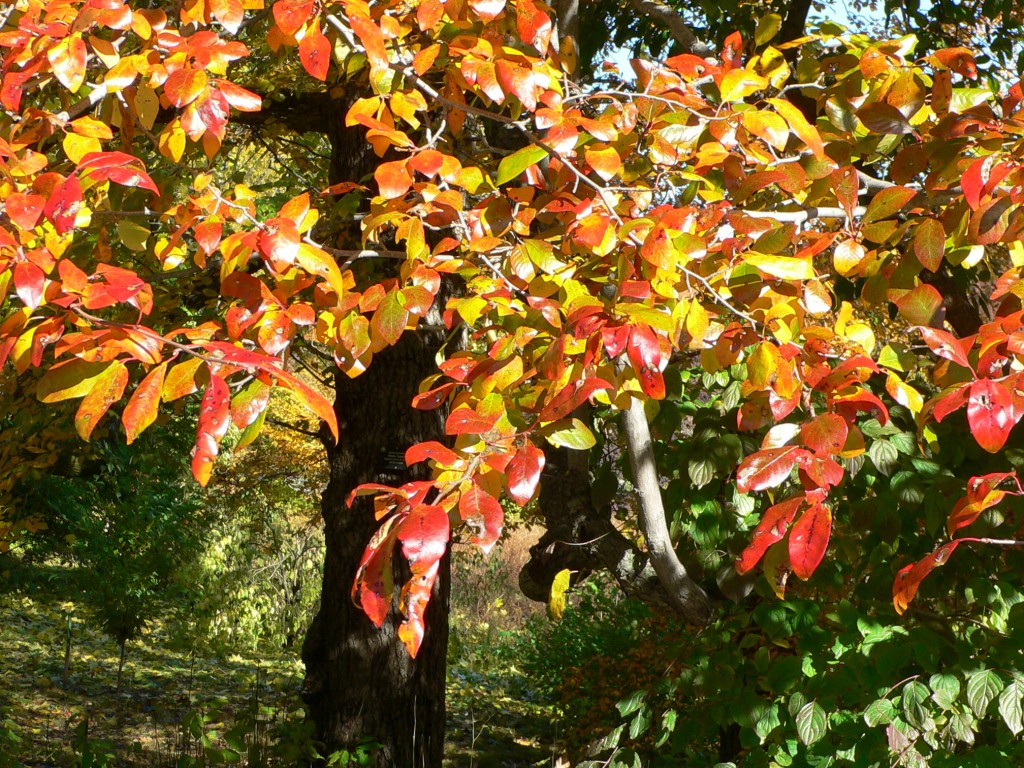
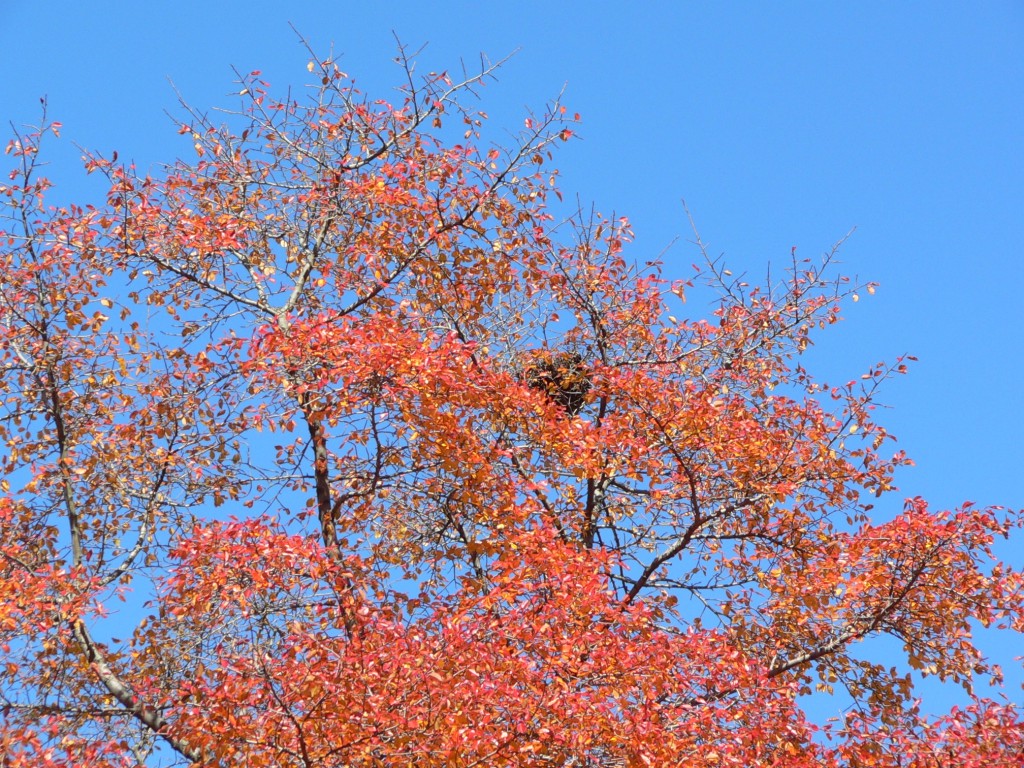
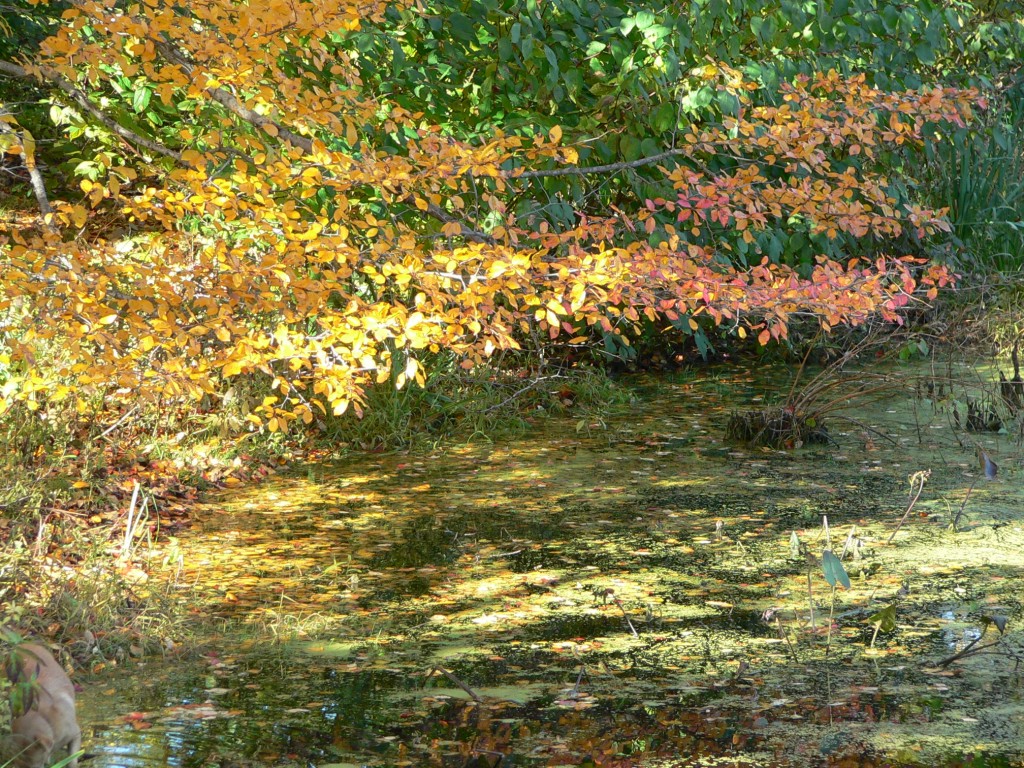
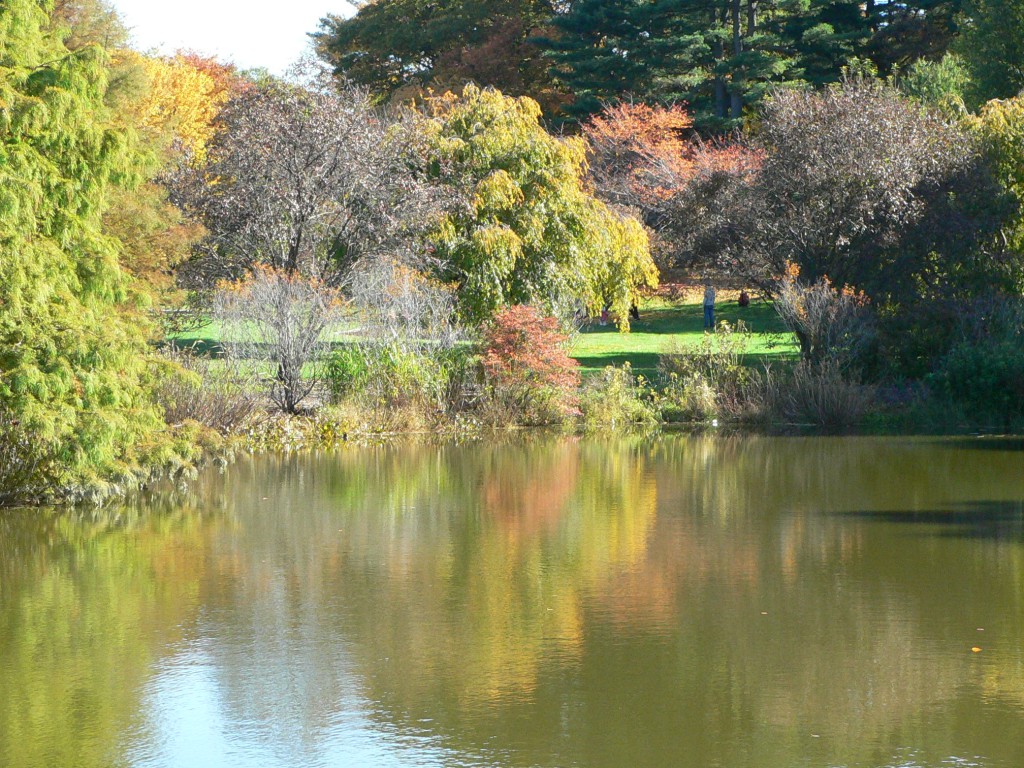
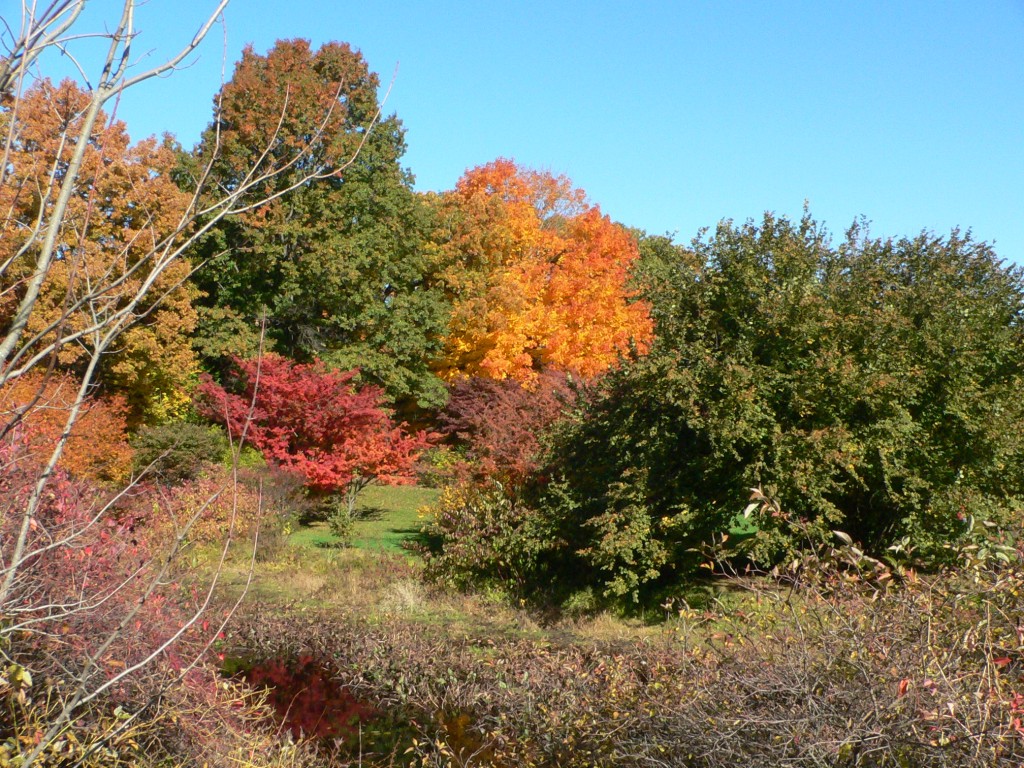
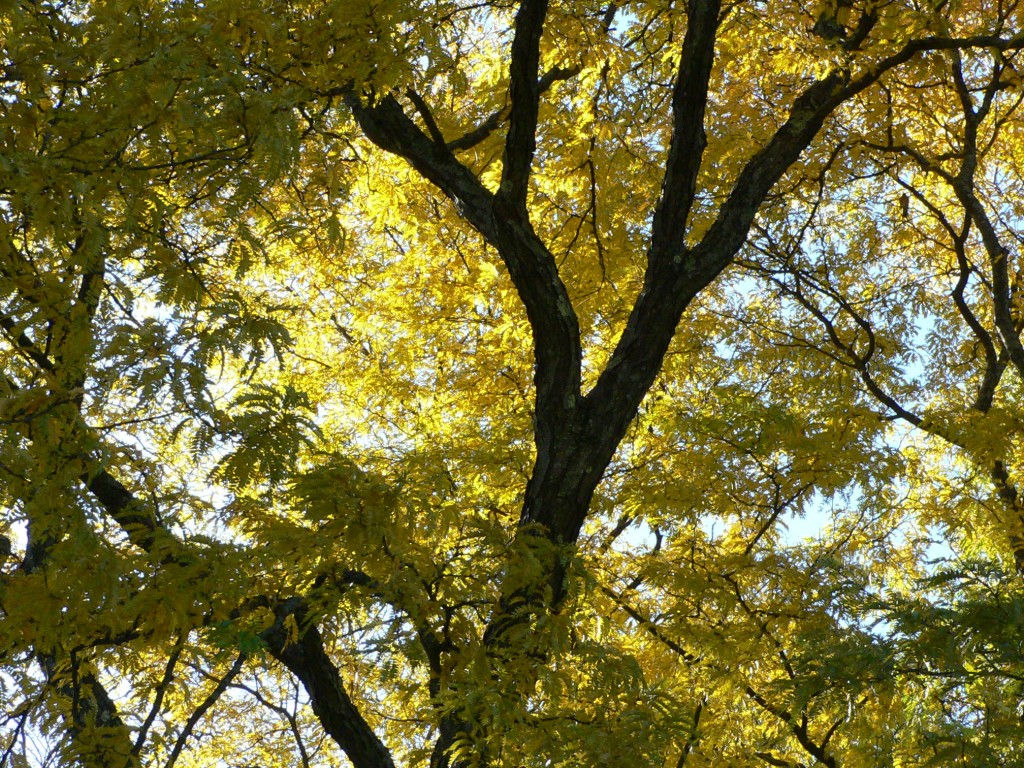
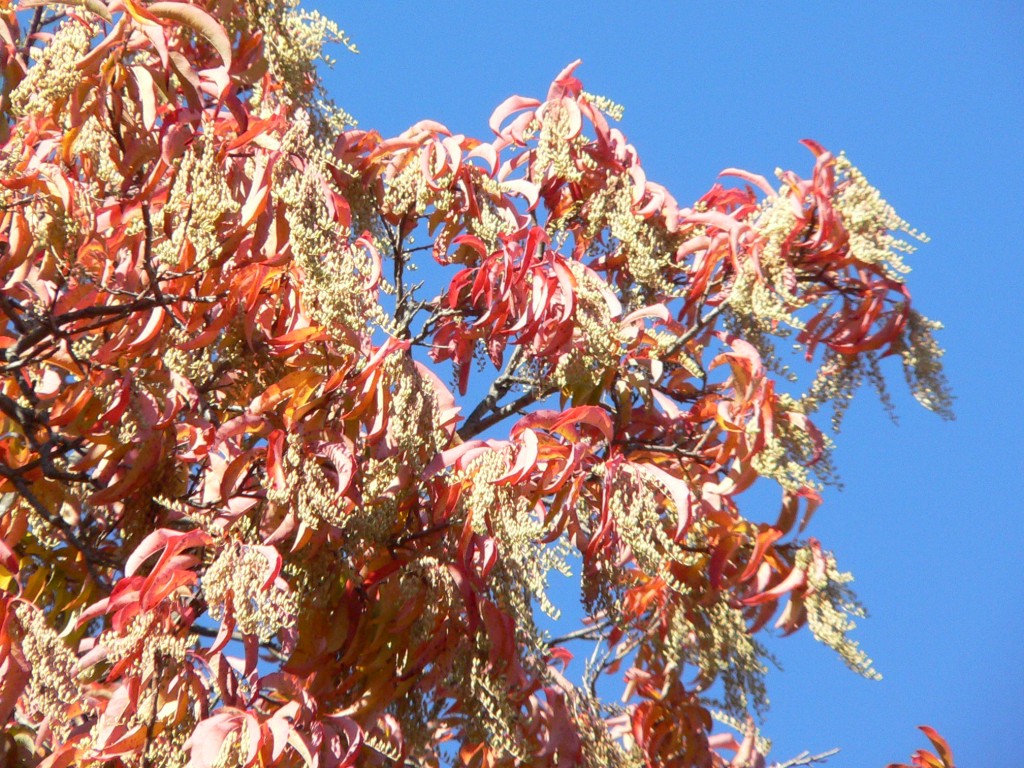
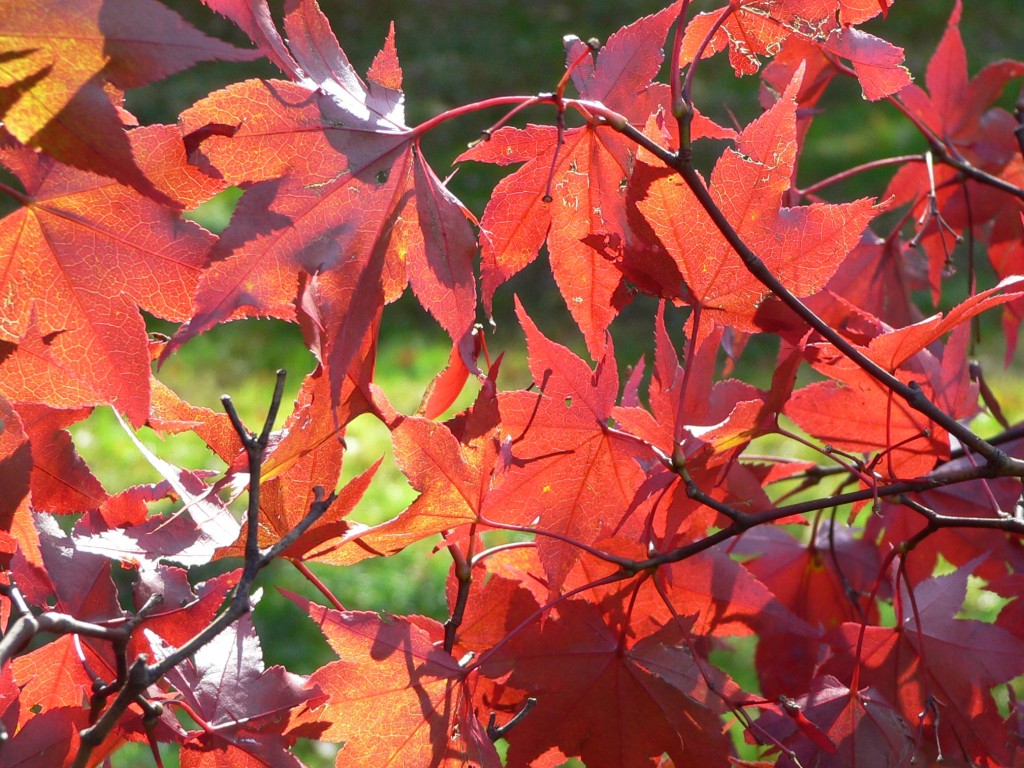
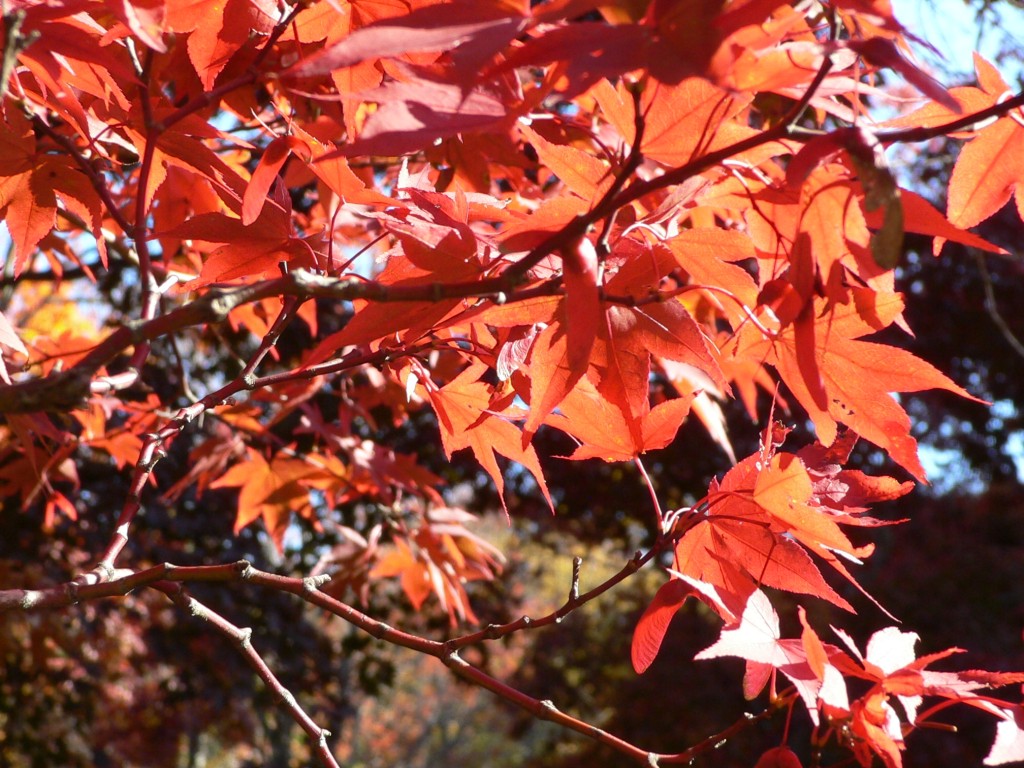
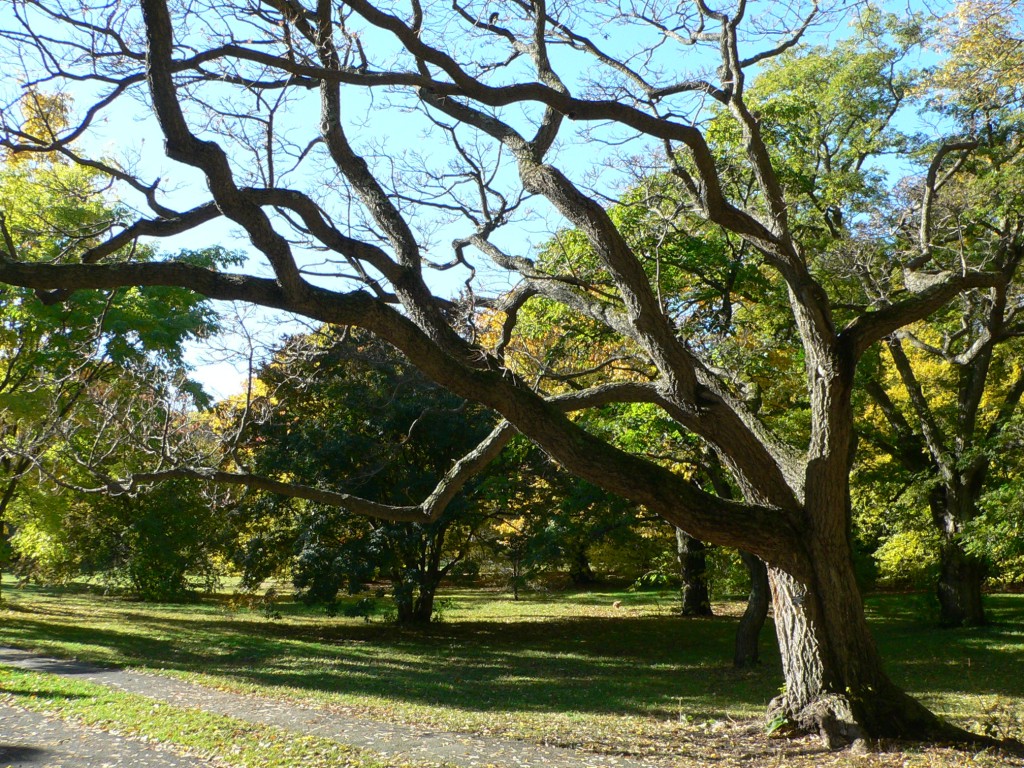
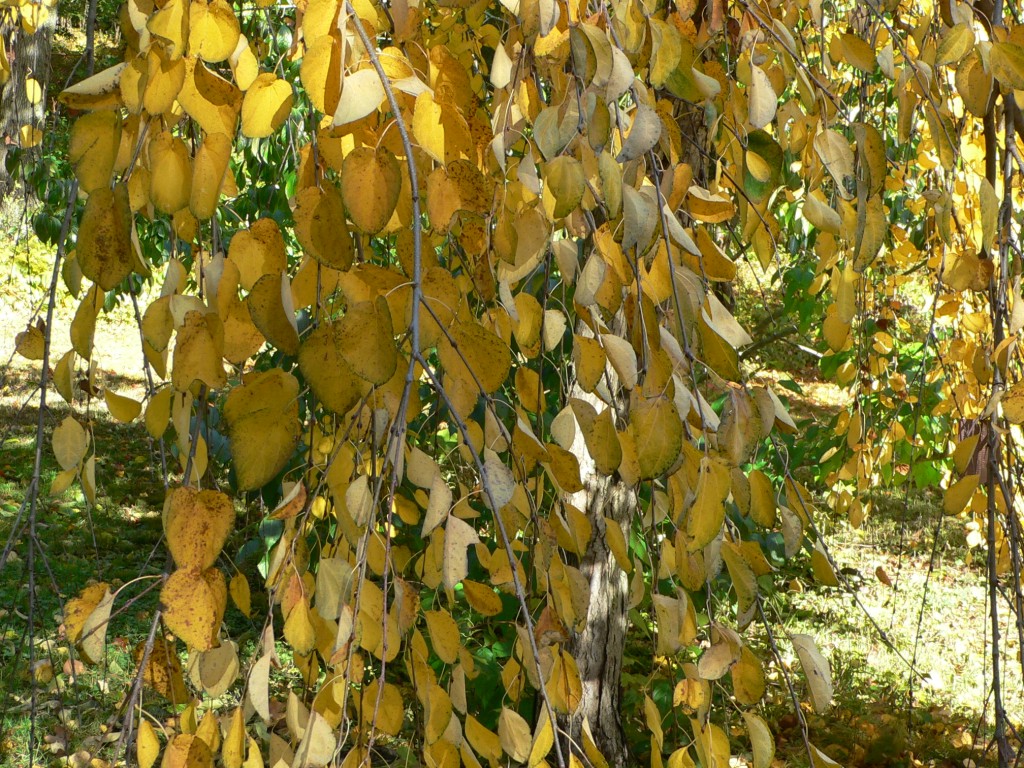
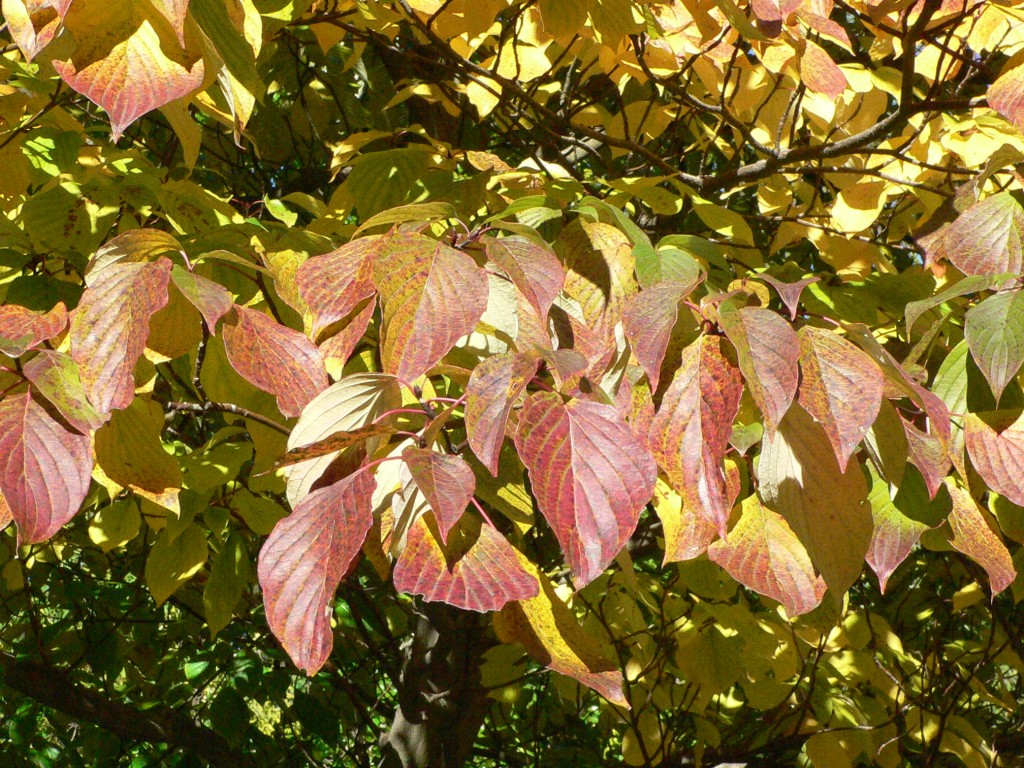
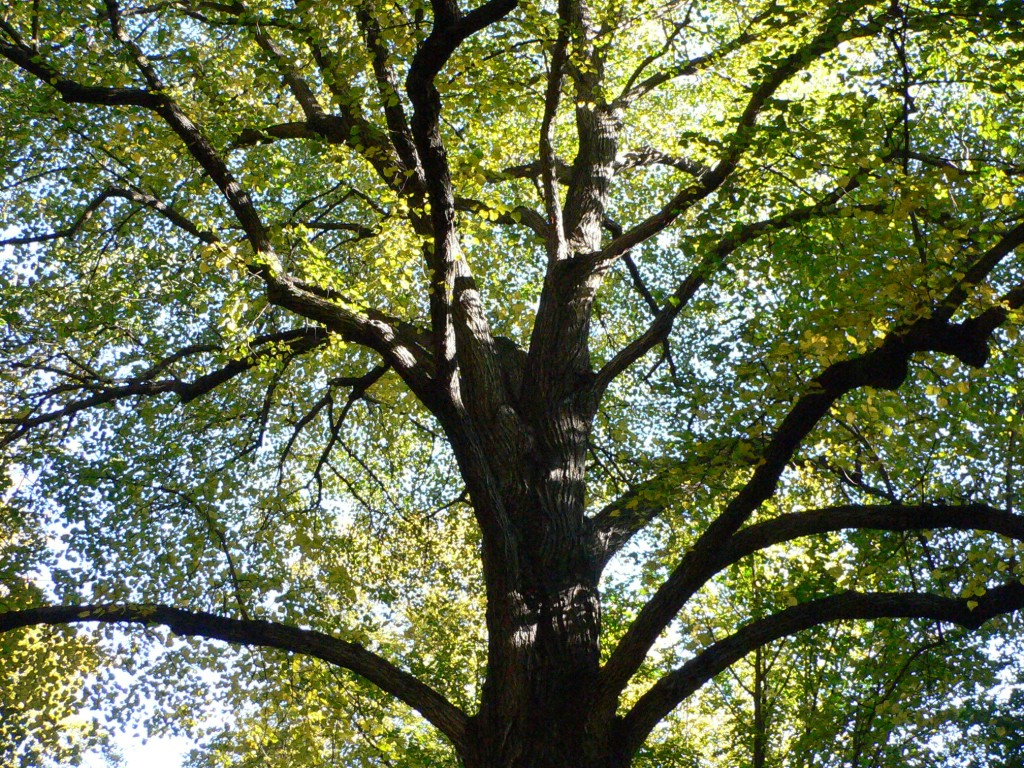
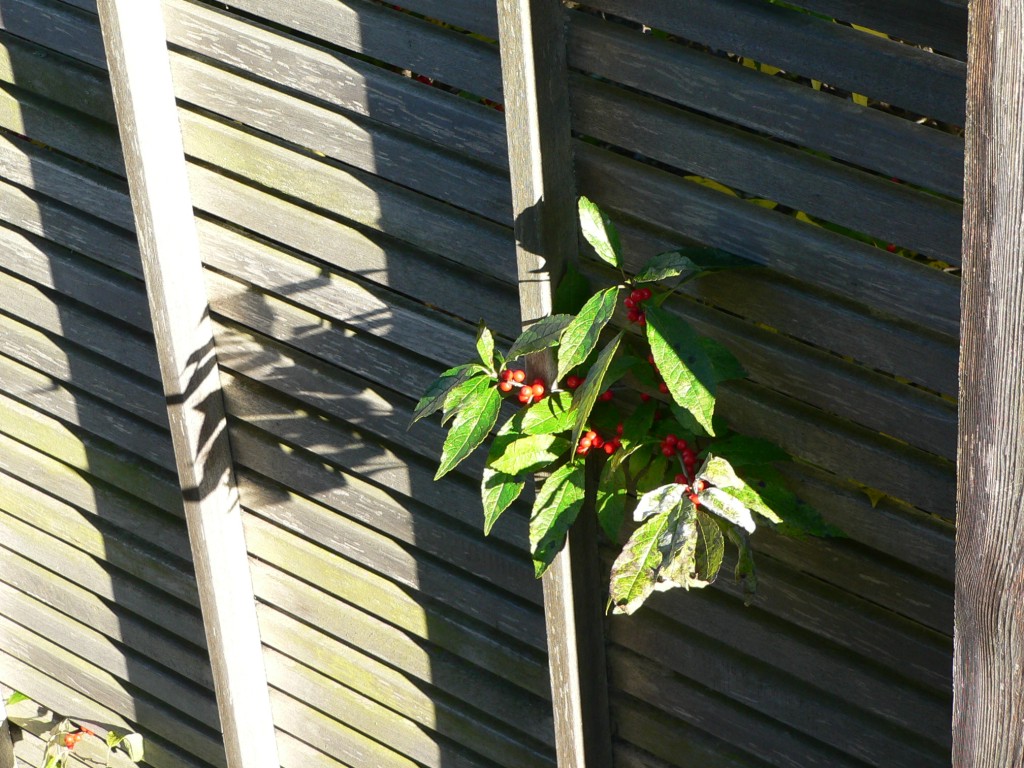
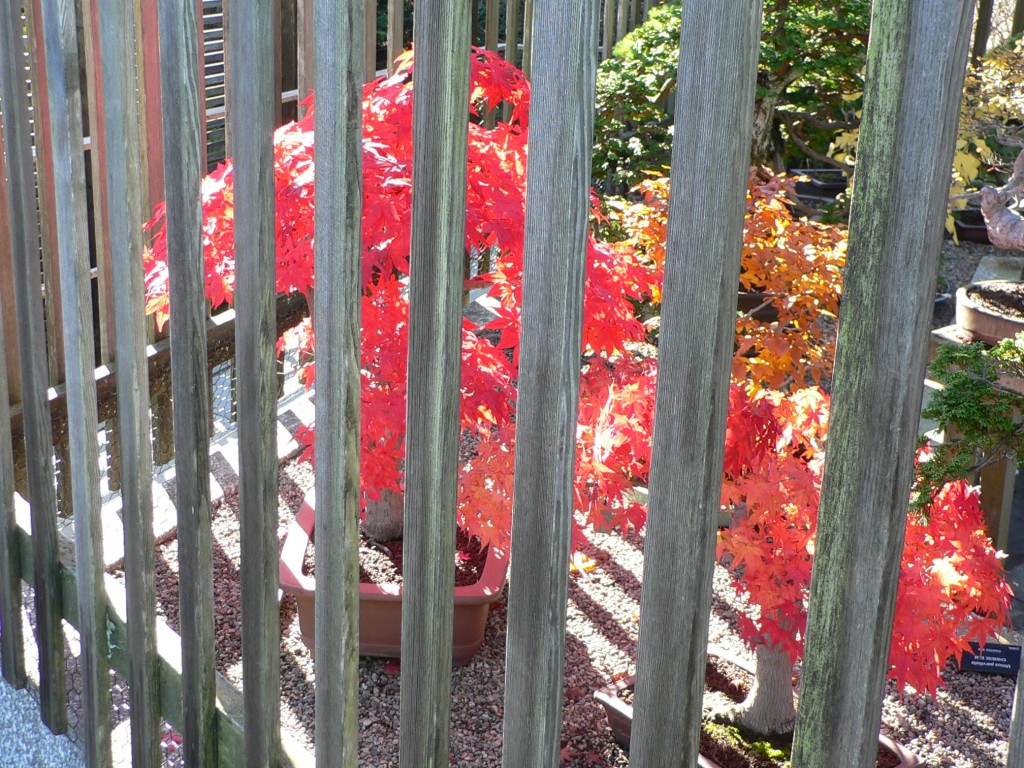
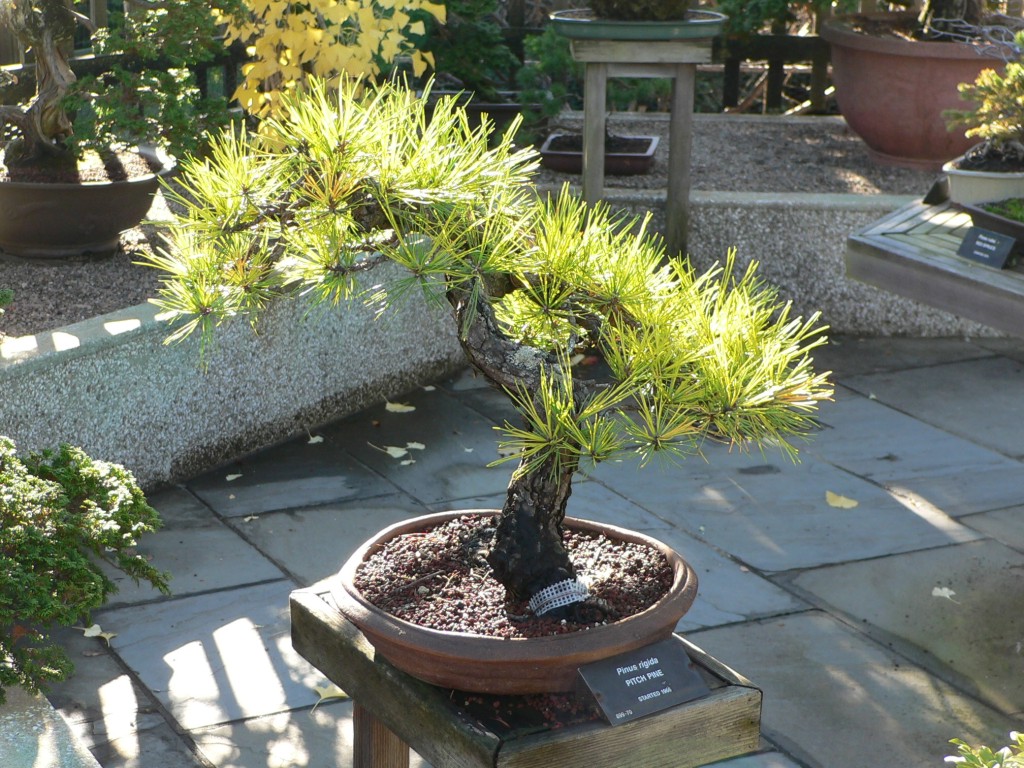
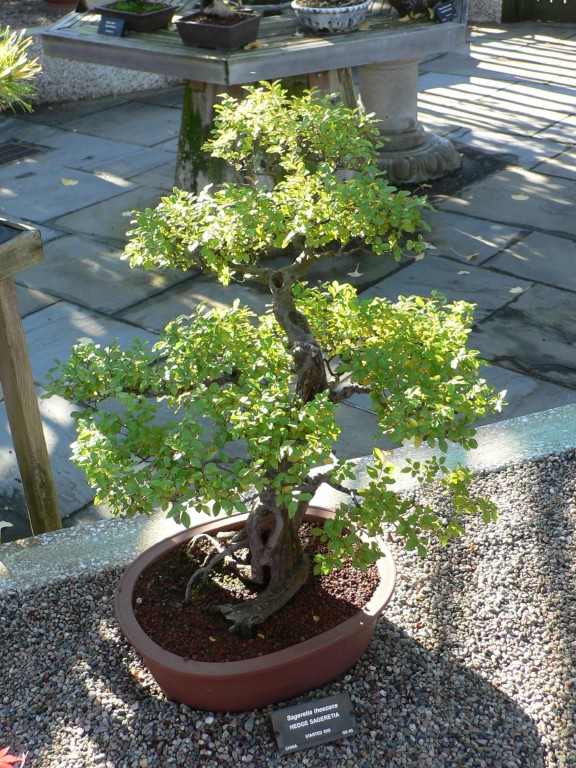
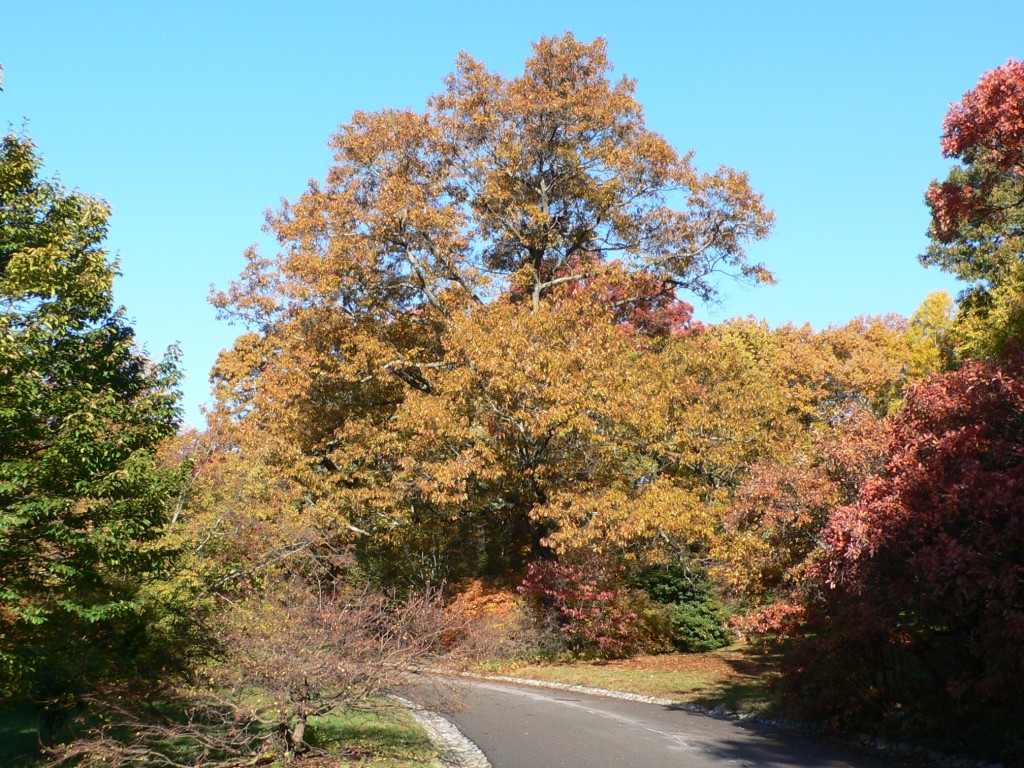
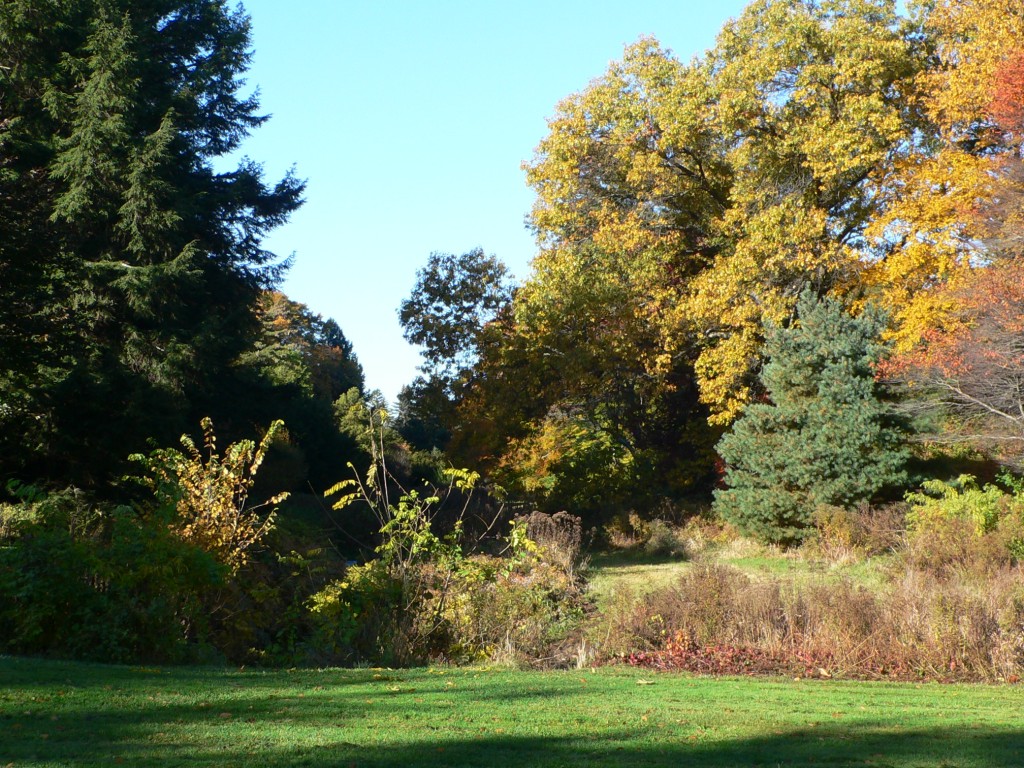
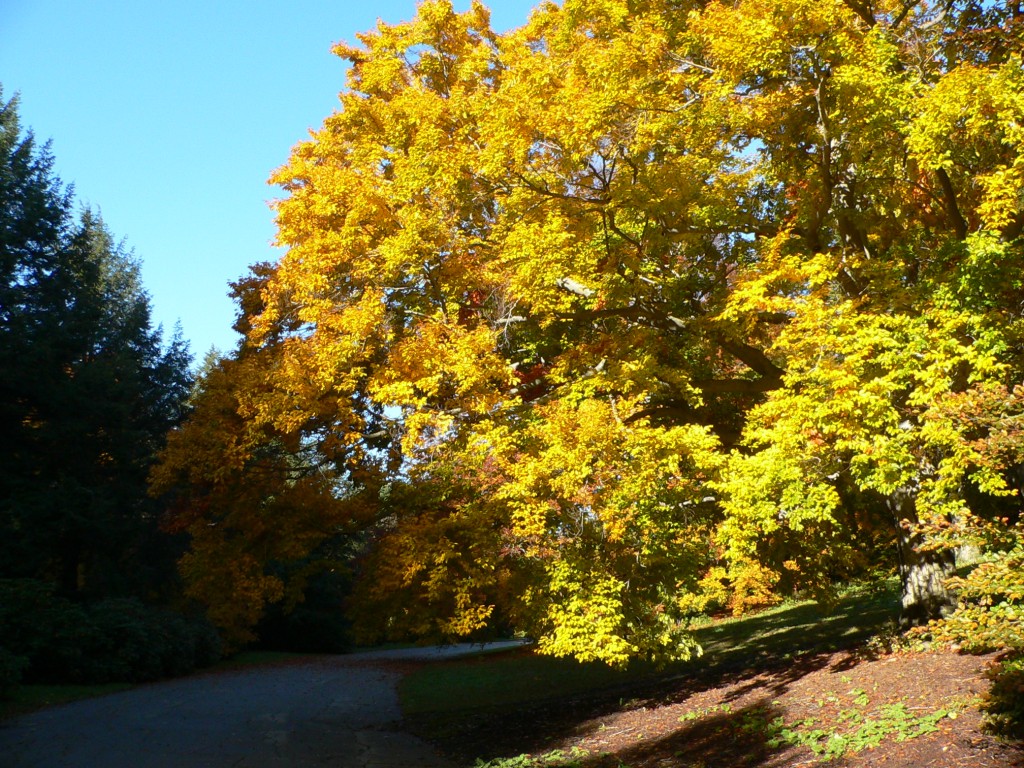
But in the meanwhile, here are some photos from around the yard, taken in the middle of March.

March 19, 2010

First impressions

Filed under: General,Nonsense I've spouted — DannyO @ 7:04 pm

The scene is a small cafe in a town that perfectly fits the stereotype of the empty, dusty, wild, old west. Dust blows by on a constant wind. It would not be surprising to see tumbleweeds and horsemen men wearing ten-gallon hats appear in the window at any moment.

There is not a cloud in the brilliant blue sky, where the twin suns shine with almost blinding brilliance. (Twin suns? Wait; that’s something a little different. And there are other things that see a little anachronistic. A little bit of technology here and there…)

A mother and her boy are eating lunch in the cafe. The boy is playing with a toy gun, and begging his mother for a real gun. The boy brandishes his toy gun at imaginary outlaws. At the next table, a young man is eating. He pays little obvious attention to the mother and boy. He is eating with gusto.

The young man is tall and thin, and his features are sharp and angular. His blond hair is spiky, pointing in every direction. He wears a long duster, but no hat. He is eating in large, eager bites. He looks awkward and goofy as he eats. He has the figure and movements of a adolescent who had just gone through a growth spurt.

From outside, we see a shadow fall on the door. Inside again, we see the door of the cafe burst inward off its hinges and five gunmen run in, guns drawn and shooting wildly at the young man as fast as they can pull their triggers. The mother pulls her boy aside to shield him with her body. The boy drops his toy gun. The young man is caught lifting his fork to his mouth. He dives to the floor, but there is nowhere to go. The gunmen keep firing. When we see the young man again, he is face down on the floor. A dark red pool surrounds his head and upper body. The pool gets larger as we watch.

The gunmen begin to celebrate; they are suddenly very wealthy men. The young man is an outlaw with an enormous bounty on his head. But they are not fools, and they are still on their guard.

The leader tells one of the others to go and pick up the body so they can take it to collect the reward. He approaches cautiously. He is afraid of the dead man. He tells himself that it is hard to believe that the young man could have been slain so easily. The young man has a fearsome reputation.

He turns over the body, and we see the face of the young man. His eyes are open, and he is smiling. He is covered with tomato juice, not blood. He reaches up and grabs the gun. The gunman gasps in surprise and dismay, but cannot shoot. The young man takes the gun out of the gunman’s hands.

The leader of the gunmen has not noticed He is telling the staff of the cafe, who are still huddled behind the counter, to cheer up. The danger is over, and once he gets the reward money, he will even reimburse them for the damage to the cafe.

“I’m so relieved! I was very worried about that,” announces the young man, in a sing-song voice. He is now on his feet, holding in a headlock the man whose gun he has taken.

The gunmen wheel to face the young man again. “Kill him!” shouts the leader, aiming his weapon.

There is an unexpected popping noise, and suddenly each of the gunmen has at least one toy suction-cup dart stuck to his face or forehead. The young man is holding the boy’s toy gun in his hand. None of the gunmen fire their weapons. Their weapons don’t seem to work.

“What’s the rush? Can’t we just talk this over?” asks the young man. He releases his hold on the gunman, pockets the gun, sits back down in his chair, and laces his hands behind his head. The gunmen are frozen in shock for a moment, but only for a moment.

“I’ll kill you!” threatens the leader.

“Are you insane?” screams one of his minions, restraining the leader. “Do you want to die? He just shot all of us. The next time, he might use real bullets!”

“It’s OK; shoot if you want. Go ahead, try your luck,” answers the young man cheerfully, with a smile on his face. He is not taunting them. He is inviting them.

The leader puts his gun in the young mans face and pulls the trigger. There is no gunshot. There is only the click of the hammer falling on an empty chamber.

“Give it up,” suggests the young man, consolingly. “Your guns are all empty, except for his,” continues the young man, gesturing at the man whose gun he has taken.

“How can you be sure?” asks the leader, trembling in rage.

“I counted,” replies the young man.

After leaving all their guns in a pile at his feet, the men–no longer gunmen–walk away, out the door, and down the road. The young man watches them until they are gone, and then he gives the toy gun back to the boy, and thanks him politely.

The young man sits back down and begins to eat again. He does not appear to notice the waitress who is now standing behind him. She is holding a snub-nosed pistol two inches from the base of his skull, and a look of disappointment crosses his face when he hears her cock the hammer.

Or something like that. I’m not great with details.

The young man is Vash the Stampede, protagonist of the serial “Trigun”, which has been rendered in both anime and manga (apparently with some differences, although I have only seen part of the anime, so I cannot say more).

Vash has a bounty of sixty billion (that’s right, billion with a B) “double dollars” on his head, dead or alive–and preferably dead.

Disaster follows wherever he goes, because everywhere he goes, a bounty of this magnitude ensures that there are always lots of people trying to kill or capture him–both bounty hunters, and ordinary citizens. This has earned him the nickname of “The Humanoid Typhoon” and his appearance in a town is rated as a potential “class G disaster” by the insurance adjusters. An ordinary typhoon rates a “class D” or so.

Vash earned a high price on his head some number of years before the narrative of the series begins (seventeen, if I have my history correct) when he was incorrectly credited with the destruction of the moderately-sized city of July with something a casual observer might mistake for a tactical nuclear weapon.

Dale Carnegie would cluck his tongue disapprovingly at the use of such a weapon as a way to make friends, although he would grudgingly admit that it certainly influences people.

After the incident in July, he vanished. But something has changed recently. He has resurfaced, and bounty hunters are converging on his reported location. Entire towns pursue him on a rumor, eager for the bounty. Other towns flee on rumor of his arrival, eager to not die.

Fortunately, Vash has a preternatural ability to avoid, or, if necessary, survive dangerous situations. He is a gunfighter of seemingly supernatural ability. He can dodge bullets, and his shooting accuracy and speed are phenomenal. He can hit separated targets so quickly that observers have a hard time telling how many shots were fired.

But he looks like a gawky teenager, and often acts like a bumbling fool. It’s usually hard for people to believe that Vash actually is Vash (which makes it possible for him to hide in plain sight). At one point, he is hired as a body guard to protect someone from Vash. At another point, he is hired to impersonate Vash (after all, he’s blond, tall, and thin, just like the real Vash). In at least two situations, he is threatened by another outlaw who is claiming to be Vash in order to bolster his reputation. Vash goes along with all of this. He rarely tells anyone that he’s Vash, and when he does, it’s even more rare that anyone believes him.

He is pursued by Meryl and Millie, two agents of a large insurance company, who are taking a terrible loss paying off the claims of everyone who gets caught in the crossfire. The agents are not trying to kill or capture Vash–they just want to keep him away from their policy-holders, insured property and any other potential sources of liability.

But nobody has been killed. After the massacre in July seventeen years ago, Vash has not killed anyone. He is avowed pacifist, and goes to great lengths (and endures terrible tortures and hardship) to avoid harming anyone–even people who are trying very hard to harm him. He even goes out of his way to help and protect other people, although this never seems to be in his best interest.

It’s fun to see how he escapes from each situation, and the first third of the story seems to largely be taken up by this.

But it’s even more fun to think about the deeper mystery. The pieces don’t quite seem to add up. Why does a pacifist have a $$60,000,000,000 bounty on his head? Was he bad before, and then turned over a new leaf?

No. That would be too simple.

Vash, it turns out, is is neither young (being well over 100 years old) nor human, although this apparently does not become clear until much later in the narrative, when the back-story is revealed through flash-backs.

Vash is a plant: a super-intelligent, super-being created via very advanced technology, the secret which has been lost in the meanwhile in a series of cataclysms. Plants are used for many things–they are at the heart of seedships that brought humans to this planet 146 years before the story begins, providing power and guidance. They are also, more mundanely, used to control the climate around the towns in the harsh, deadly planet on which this story unfolds. Most plants are housed–or perhaps imprisoned–in large, translucent shapes that look very much like enormous light bulbs. They cannot survive outside of this environment, but can somehow provide energy and information to their surroundings. Without plants, the humans would not be able to survive very long at all on this planet. Each town is protected from the surrounding desert by one or more plants, and when those plants become sick or their environment malfunctions, the town is usually doomed.

Vash is a different kind of plant. He is not like his predecessors; he appears human, is fully sentient (as well as being gifted in many ways), and can live in the world. It’s not clear what purpose his creators intended for him, but perhaps it was planetary defense. Vash carries a weapon capable of blasting a hole the size of Brazil in an object as far away as the moon. This weapon was a gift to Vash from his twin brother, Knives.

Now it should go without saying that if you ever have a hand in choosing the name of a super-intelligent super-being intended to help protect and shape the destiny of your civilization, you shouldn’t suggest the name “Knives”. It is the kind of suggestion that can really come back to bite you in the ass.

Knives is Vash’s equal or superior in every way, but not his equivalent. They have very different personalities. The primary example of this is that as children (several months old, but already resembling juvenile humans), Vash and Knives encounter a butterfly caught in a spider web. As the butterfly desperately tries to escape, and the spider closes in for the kill, Vash watches in horror, paralyzed, unable to decide what to do. Knives, in contrast, does not hesitate at all. Knives joyfully kills the spider and releases the butterfly.

Vash is furious. He wanted to save them both. He was trying to find a way that let the butterfly go without causing the spider to starve.

Vash considers all killing to be wrong. Knives considers killing to be an expedient solution to certain sorts of problems, and he is utterly certain that his decision was correct. And, more importantly, Knives considers all humans to be the moral equivalent of spiders, living off the lifeblood of the plants. Having ruined Earth, humankind is attempting to colonize planets throughout the galaxy. Knives does not think that this is a good idea, because he believes that humans will eventually destroy any worlds they settle. So he resolves to prevent this from happening, by attacking the problem at the root and exterminating all humans.

The only thing really standing in his way is Vash, but here Knives is given a difficult puzzle to solve. Vash is opposed to the murder of all humans, and will fight to protect them. But Knives, in his own way, loves his brother and doesn’t particularly want to be alone forever (except for a bunch of stupid plants) after he’s killed everyone. If only there was some way to convince Vash that killing humans wasn’t always wrong…

Their last conversation on this subject escalated into the destruction of the town of July. It took them both some time to recover after that, but now Vash is back.

So Knives sends a long string of assassins, many of whom he has given superhuman abilities, and who are cruel and cunning, to try to kill Vash. They take his friends hostage, and even torture or kill them to try to draw him into traps.

Knives doesn’t particularly want Vash to die (although that wouldn’t be worst possible outcome)–he wants Vash to be forced to kill the assassins.

Eventually, Knives is successful. Vash is forced to choose between killing Legato, Knive’s right-hand man, or watching his friends die a horrible death. Vash is devastated at having become a murderer, but he admits the logic of its necessity. Inaction can cause death as easily as action. Sometimes a choice needs to be made, and it can be made rationally.

Knives has achieved his goal, but does not see the gaping hole in his logic.

Vash sets out on foot, into the desert, to find his brother, and kill him.

Now, don’t you want to run out and read the book? Go ahead, it’s on Amazon, or you can watch the anime on youtube.

March 8, 2010

Ghost story redux

Filed under: General,Nonsense I've spouted — DannyO @ 5:59 pm

The other day, I wrote a blog entry that caused some degree of head scratching. Given my small readership, I won’t say it was a lot of head scratching, but percentage-wise, it was a pretty alarming amount.

It always bugs me when I’ve tried to explain something clearly and I’ve clearly failed. So, I tend to try, try again. Because, after all, after you’ve failed, the only thing possible is to improve, right? Well, that and fail to learn from your mistakes and repeat them. I guess there’s always that.

You can read the blog entry here. If it all makes sense to you, fine. If not, please continue.

Below is the conclusion to the ghost story, told a slightly different way, but the differences are completely meaningless. I’m just hoping that they make the point easier to grok.

***

The next morning, the man returned to the sage and, with some embarrassment, told him everything that the ghost had said.

“I do believe that the ghost follows you everywhere, even when you visit me,” said the sage, “and her attention to detail and her recall are extraordinary! But nevertheless, I do not think that I will have any trouble with her, and soon you will both have peace.”

The sage explained his plan. He would write a magic spell on the mans forehead that would drive away the ghost. If the ghost read it, she would be banished forever. The trick would be to make the ghost read it.

“But wait,” interjected the man. “She is undoubtedly here right now, watching us and listening to us. She will know about the spell, and she will know not to read it.”

The sage smiled and assured the man that the magic would work anyway, then, using a delicate brush, wrote the incantation on the mans forehead, and gave him a hat to wear.

“Don’t take off the hat until you see the ghost,” he warned the man. “We need to surprise her. If she tells you that the magic words are harmless to her, then she is probably only pretending to read them. Call her bluff and ask her to prove she knows what they say.”

That night, the ghost appeared again, and began her tirade. She told him that she had seen the incantation that the sage had written, and it had no power over her. His heart sank, but he resolved to try anyway.

“If the magic words have no effect on you, then please tell me what they are,” requested the man. “I cannot read them myself.”

But there was no answer. The room was empty and silent room. The ghost had vanished.

The man never saw the ghost again, although sometimes he thought he could still feel the spirit of his first wife, watching over him, at peace.

March 7, 2010

Around the yard

Filed under: General — DannyO @ 10:25 am

Things are starting to perk up.

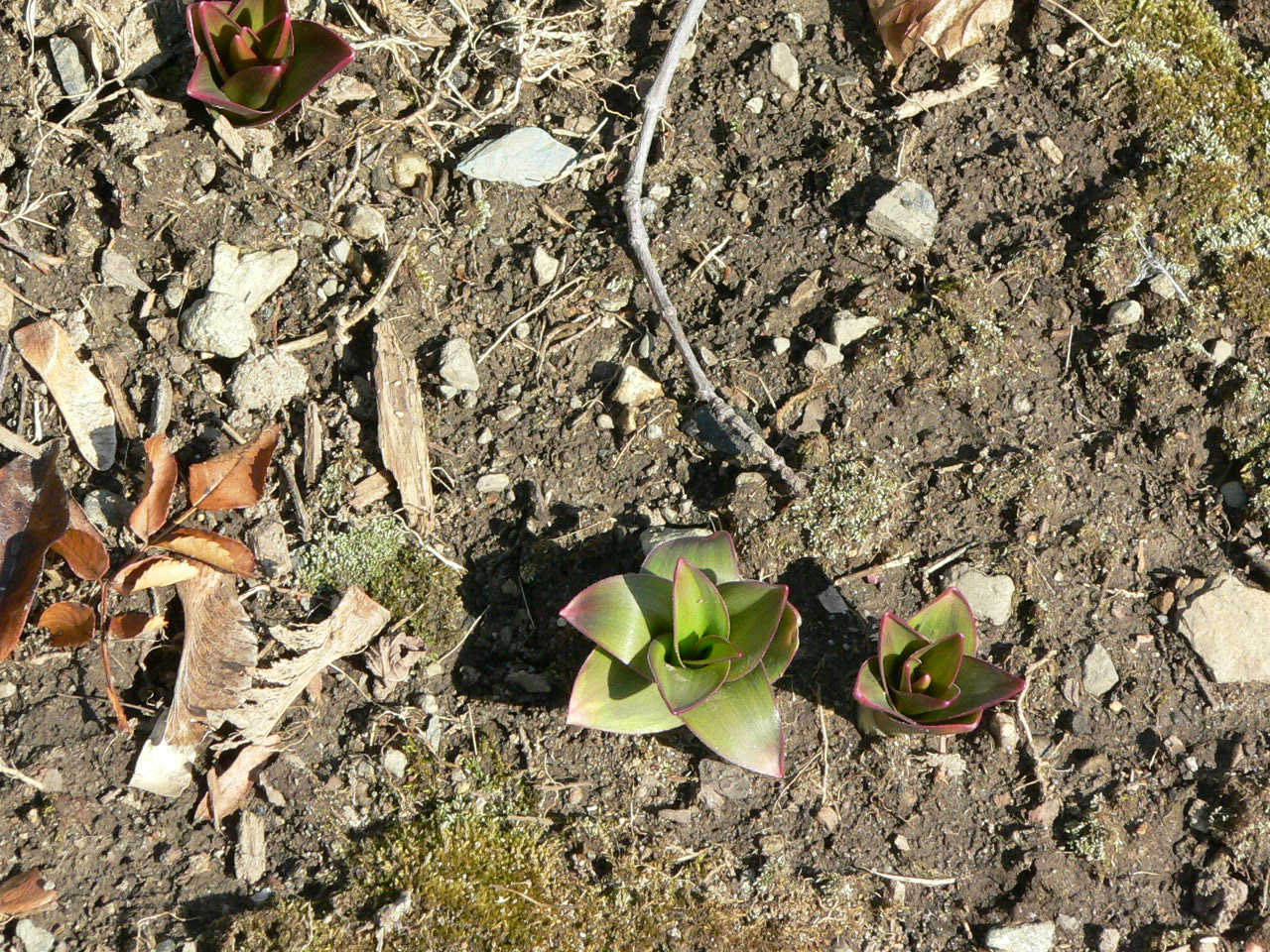
I can’t figure out how to put captions on the photos, so I’ll just do this textually…

Reading row by row, top to bottom:

  1. First crocuses of the year!
  2. This is going to be a mess of daffodils in a few weeks.
  3. The new crocuses I planted last Fall are trying their best. So far, only a small fraction have sprouted. Maybe the rest were bad, or maybe they will sprout later.
  4. Quite a variety here. I forget exactly what I planted, but at least three different things here.
  5. I think these are bubils I harvested from the asiatic lilies last summer.

I planted a large number of mixed tulips from the same source, and so far none of them have sprouted to the surface at all. I hope they weren’t all bad bulbs… but then again, that will give me something to do this season, if I have to replant them all.

February 26, 2010

War of the worlds

Filed under: General,Originally on Public Spectacle — DannyO @ 4:36 am

I saw the “Tom Cruise” version of ‘War of the Worlds’ last night. Not too bad. It probably would have been scarier and more dramatic without the five minutes of commercials for every ten minutes of film, but it got the job done. I especially enjoyed the fact that the Martians, or aliens, or whatever they were supposed to be, communicate by playing sousaphone. This essential fact is overlooked in most documentaries.

So, which riff on this theme did you like best?

The original book? The Orson Wells radio show? The movie from the sixties or whenever it was with the alien ships that have weapons that look like the lights on the New Jersey Turnpike? Or the Tom Cruise version? Or something else?

I liked ‘Signs’, which I consider a kissing-cousin of these, although I accept that most people think that it is a terrible movie. To them, I say “swing away

I saw a bit of ‘Buckaroo Banzai’ the other day. It contains sort of an alternative history of the WotW, centered around Orson Welles’s radio broadcast, which, it turns out, was not a hoax but actually a real newscast. But then the aliens convinced everyone (including Orson Welles), via careful trickery, that it was all a hoax. And then the aliens settled down and have been living in New Jersey ever since. Presumably they picked New Jersey as a good place, where they wouldn’t stand out.

I thought this movie was pretty neat when I was a kid. It has not aged well. Another precious memory ruined.

As another aside, I grew up in New Jersey, not far from Princeton. At one point I was dating a girl who lived in West Windsor (no jokes, please) and once when I was trying to take a shortcut to her house I got royally lost and ended up driving past an enormous barn with “Grovers Mills” shingled on the roof. There really is a Grovers Mills, and I’ve been there. But the resemblance ends there, more or less.

February 20, 2010

Matthew or John?

Filed under: General,Originally on Public Spectacle — DannyO @ 2:30 pm

OK, I might be getting a little soft in the head.

A local group is putting on a production of ‘Godspell’, that hip musical from 1970 about the last days of Jesus Christ, based on the gospel of Saint Matthew. I agreed to buy a couple of tickets, figuring it would be an evening of light entertainment, and the money would go to a good cause.

But today I suddenly had doubts. Fragments of troubling memories appeared like ghosts, momentarily rising to the surface of the bubbling corn chowder formerly known as my consciousness.

And then it hit me. When I bought tickets for Godspell, I didn’t think I was buying tickets for Godspell. I thought I was buying tickets for something else! I thought I was buying tickets for ‘Jesus Christ, Superstar’, that hip musical from 1970 about the last days of Jesus Christ, based on the gospel of Saint John. The hip musical that I like. The one that rocks. The one where Judas is a major, interesting character, and who has some cogent questions for Jesus.

I need to stop making mistakes like this. I could end up seated in a production of ‘Sweeney Todd’ someday before I realized it wasn’t ‘Little Shop of Horrors’. Or I might go see ‘Rocky IV’ instead of ‘Rocky Horror’.

Anyway, I really like ‘Jesus Christ Superstar’, but I know there are differences of opinion. After all, Godspell is still performed regularly, and that wouldn’t be the case if everyone felt the same way about it that I do. No sirree.

Which do you like better? Godspell, or JCS? Or do you despise them both equally?

Or do you have no idea what I’m talking about?

Is there anyone I haven’t offended?

The bad writing contest

Filed under: General,Originally on Public Spectacle — DannyO @ 2:01 pm

Some time ago, a friend challenged me to enter one of those contests where the entry with the worst first sentence wins the prize. I declined. Below is my letter of declination.

I’m sure I could win this contest, whilst reclining on a recliner, sipping sips of a beer from a glass of beer held in one hand, and fondling the Wii controller with the other, as easily as shooting a tame and sedated flounder that was, purely for the sake beating the dead horse that was this metaphor before it succumbed to the blunt force trauma inflicted by my stubby yet mighty fingers dancing nimbly above the dim nimbus of my keyboard, wedged to the point of immobility into a small barrel welded to the business end of a fully armed and operational blunderbuss, because, when I’m not careful, my sentences tend to run on a bit–sometimes farther (or is it further? I can never remember the distinction) than a dash or even an elliptical clause (or two) can justify.

Caught off guard

Filed under: General,Originally on Public Spectacle — DannyO @ 1:56 pm

After the harvest of Halloween candy has been gathered by my little workers, my wife and I go through a process of inspecting all of the candy they have gathered. This happens before they are permitted to eat any of it, of course. We’ve all heard the stories about the strange sociopaths that like to poison unsuspecting children or put razor blades in their apples or needles in bubblegum and other horrible things. And they’re not all just stories: a girl a few doors down from my childhood home had her stomach pumped on Halloween after biting into an apple that had a surprisingly bitter, powdery core. It’s the stuff of nightmares for parents.

So, even though we live in a quiet suburban neighborhood and visit people we generally know who live within a block of two of our house, we check. Things that look funny are discarded without a second thought.

Sometimes there are other things that we discard–for example, apparently someone with questionable judgment was giving out some sort of No-Doze-ish candy-like pill. “A cup of coffee in every tablet!” the label proclaims. Sure, that’s just what my kids need. Into the trash it goes.

Marshmallows? Please.

Apples? I know you’re just trying to be healthy, but there must be another way. The main delight my children have is planning how to ration out the candy over the course of the next year, and perishable apples can’t be part of that, nor can popcorn, which is little more than packing material after it cools, IMNSHO. (I just have to take a moment here to boast about the vast pride I have for my children, who can actually muster the self-control to do this–when I was a kid, it took a major feat of willpower for me to save a candy bar from Halloween until my birthday, which as you may recall, is in mid-November…)

Pretzels? Popcorn? They should have their own holiday. A holiday that can be safely ignored.

And the after dinner mints? Look, I know times are tough, but this does not save face. Just leave your porch light off and we won’t bother you.

For some of the items, we skim a few off the top. For example, I have been blessed with two wonderful children who do not particularly like Reese’s Peanut Butter Cups, and blessed with neighbors who regularly dispense them to trick-or-treaters. I know they won’t be missed. I set a few aside for my personal use.

The night after Halloween, I decided to dip into the cache of PBCs. I selected the top one, absentmindedly unwrapped it, and discarded the wrapper. Out of habit, I made a quick visual inspection of the surface. It didn’t look like any razor blades had been inserted. There was a little nick in one corner–probably an injury sustained during its plummet into the bottom of the hard plastic buckets my children used. Something seemed a little different, but I couldn’t put my finger on it. It was a nameless fear. It passed as the odor of cheap chocolate reached my nostrils.

I took a bite, and then another, and that was it. Reese’s don’t last long, once they get close enough to bite. It takes rare self-control for me to manage to not gobble them down in two or three bites. This one was gone in two. I remember it distinctly. It was the second bite that really got my attention.

Something really didn’t seem right. Something was different. It felt wrong, but it didn’t scream wrong. I knew something wasn’t right, but I still hadn’t quite connected it with the object in my mouth.

I didn’t spit it out. I swallowed it.

And as I swallowed it, I knew. My throat could feel the difference more precisely than my teeth, my tongue, or my taste buds.

I didn’t panic.

I reached into the garbage and retrieved the wrapper. I looked at it, looking for some evidence of tampering. I found none.

I examined the label more closely. Nothing stood out. Everything appeared normal.

I know that memory can be deceiving. I couldn’t rely on appearances. I pulled out another Reese’s from the cache and compared the wrappers. I compared how they were folded, glued, dated, and how the little cardboard tray was oriented.

Everything was the same, but something fundamental was different. It was so hard to see, because it was so obvious.

I saw it. I knew.

Some sick, twisted, nutcase had played a trick on me. Said sick, twisted, nutcase had decided that this year, Reese’s will be available in two sizes: 0.75oz and 0.55oz. I had just eaten a 0.55oz RPBC for the first time in my life, while somewhere, someone is laughing a maniacal, evil, giggling laugh.

I will recover, but I will never be the same. Because I know there’s someone out there like that. Someone who thinks that RPBCs are larger than they need to be.

Under my nose

Filed under: General,Originally on Public Spectacle — DannyO @ 1:44 pm

More than fifteen years ago, before we made each others acquaintance, Livingston Taylor put out an album named “3-Way Mirror”. It wasn’t an enormous commercial success (I just checked on Amazon.com, and it seems to be a bit of a collectors item at this point, rather than flying off the shelves), but I figure with the demographic of my readership, maybe someone knows it and it’s likely that at least a few of you listen to Livingston.

The obligations of friendship being what they are, I probably own more of Liv’s work than I would under ordinary circumstances. I don’t usually listen to pop, and when I do it’s usually pop targeted at a much younger crowd. I like my sonic fluff to be about boys with fast cars and girls with long legs, short skirts, and questionable taste in men. Pop about my own demographic cuts too close to the bone.

But I digress.

Anyway, I’ve got a copy of “3-Way Mirror”. For the longest time, I couldn’t figure out what the title meant. I know what an ordinary mirror is, and I know what a two-way mirror is. But a three-way mirror? What does that do? Is it some sort of metaphor? Is it like you’re looking through a two-way mirror watching Liv perform, while through the mirror someone else is watching you? Or that when you’re watching Liv perform, you’re also watching other people watch Liv perform, and watching each other? Or something totally different?

I didn’t have a clue.

And I was somewhat worried because I kept thinking that someday it would come up in conversation and Liv would find out that I hadn’t figured out his joke, or metaphor, or whatever it was. Maybe he’d think I hadn’t given it a thought, or maybe that I didn’t even care.

I get worried about things like this.

This old fear swam to the surface again a few days ago, so I gave it another thought. I got out the CD and looked at it. Not much to work with; just the same old bland photo of Liv fixing the collar of his trademark tweed jacket, standing in front of a full-length mirror. It’s one of those mirrors you see in a clothes store, or a fancy wardrobe–the kind that have three panels, so you can see yourself from several different angles.

So, what was right under your nose for days, months, or years before you finally figured it out?

My secret sport

Filed under: General,Originally on Public Spectacle — DannyO @ 1:41 pm

As faithful, long-time readers will doubtless remember, I have a daydream that plays in my head sometimes during my ironing sessions, those endless minutes, usually on Sunday evenings or Monday mornings, when I perpetuate the illusion that I give a damn how I look by steaming a few of deeper arroyos out of the shirts I anticipate I might wear in the upcoming week.

In my daydream, I am a champion ironer. I compete at the international level. My likeness adorns Wheaties boxes. My Olympic records for endurance ironing have remained unchallenged for a generation, although there are some skeptics who feel that they should be marked in the record books with an asterisk, because the altitude of Mexico City gave me an unfair advantage. I am looking forward to London and have secretly been honing my high-humidity left-handed collar technique. In order to find my peers, you must look to other sports: Michael Jordan has been called the “Danny O’Bigbelly of basketball.”

In real life, there is not much basis for these fantasies. In truth, my efforts are so ineffectual that I sometimes mistake the “done” pile with the “to-do” pile of shirts. I thank my lucky stars for bulky sweaters.

So, are there any sports that you have invented in your head? Are you the world-champion, or a contender waiting for your big break?

Strangers in a strange land

Filed under: General,Originally on Public Spectacle — DannyO @ 1:39 pm

Have you ever met a time traveler, or a person from another planet, or possibly even another dimension?

I’m guessing nobody will want to be the first to say yes, but I’m just throwing it out there.

What I’m really asking is whether you’ve ever met someone who is so far out there in some manner that you can’t help but think to yourself whether you maybe, just maybe, the fact that they are a being from another reality, however unlikely you may believe that to be, is a plausible explanation for their quirks?

I used to work with someone who used to work with someone else. Let’s call them Alice and Bob. Bob is a real genius–I don’t mean that I think he’s pretty smart, I mean that everybody thinks he’s really smart, and if I told you his name, you might even recognize it because he’s won things at the Nobel prize level (there is no Nobel in his field, but at the same level)–but has trouble communicating with most people, primarily because he’s an asshole.

So one day, as I’m sitting at my desk, Alice pops her head into my office and says “You know, I really think that Bob is an space alien sent to earth to explain their technology to us.”

This was a bit off-topic, so it took me a moment to respond.

“Why would aliens want to send Bob here to explain their tech to us?” I asked.

“Probably because he’s an asshole and they wanted to get him out of their lives,” Alice answered, without hesitation. It was clear that she’d thought this through.

Julie and Julia, or whoever.

Filed under: General,Originally on Public Spectacle — DannyO @ 9:54 am

My mother gushed over this book. So, when I was stuck in an airport bookstore, stocking up on books to use as mind fodder to distract me during the hop between the coasts, and I chanced across a copy, I took the plunge. I wasn’t excited about the purchase, but felt guarded optimism that it would equate to several hours of relieved tedium. I could tell from a cursory examination that it passed two of my mandatory criteria, and put my faith in my mothers judgment for the third.

Just for the record, my criteria are:

1) The font is big and easy to read. My eyesight is not good.
2) It’s small–will fit in my pocket, will not strain my wrist holding.
3) The writing doesn’t make my flesh crawl.

Rarely has a book succeeded so well on criteria 1 and 2 and then fall flatter on its face on 3.

I should have known better than to trust the recommendation of my mother–after all, her track record of recommendations for things like Girls I Should Date is mixed. I should have also noticed the “Soon to be a major motion picture” on the cover–unless you’re Nick Hornby, this is usually an indication that something horrible is about to occur.

As far as I can tell, the author never actually follows any of the recipes; the book is a listing of all the corners she cuts because she doesn’t have the right tools, right ingredients, right husband, right friends, right parents, right apartment, right commute, right kitchen, right job, her cat is psychotic, and her truck is unreliable. So, Julie, why don’t you step away from the computer, clean up your life, and then come back and write about that? I mean, if I want to read about self-loathing people who create their own problems, refuse to face them, and dig themselves deeper and deeper into lameness and mediocrity via a failed and half-hearted obsession to achieve a completely arbitrary and meaningless goal, I don’t need to pay money for it. I can read about that sort of thing for free. I have web access.

To be fair, I gave up on page 150 and didn’t finish the book. It might have gotten better after that, but I didn’t stick around to find out. When the pilot said it was OK to use electronic devices, I put the book down and didn’t pick it up again. It lost out to “Firefly” reruns on my iPod. I can’t say much more than that. Maybe it got better at the end, unlike Firefly.

But lots and lots of people thought this book was pretty peachy. If you can explain this to me, I am your apt pupil.

February 6, 2010

It’s been a while

Filed under: General,Nonsense I've spouted — DannyO @ 7:36 pm

As some of you know, I conceived of the idea of writing something resembling a full-length novel last summer, and have been toying with it ever since.

My first ideas were based on the story of Princess Lu, as outlined elsewhere in this blog. There’s a tremendous amount of backstory to the few things I’ve actually taken trouble to write down, and I personally think that it’s all very interesting, but it exists almost entirely in my imagination. Unfortunately, the stories and bits of dialog that I have in my head often turn out to be like those wonderful pebbles that you find at the beach: they don’t look so wonderful after they’re taken out of their environment, dried out, and set out for display.

The parts that I wrote down were not very well “reviewed”, if I may use that term loosely, because they failed to hold anyone’s interest long enough to make it through the first ten pages, as far as I can tell. I ended the last installment on a cliff-hanger, and expected to hear from people eager to find out what happened next–how will Princess Lu escape from the perils she faces; alone, dismounted, most of her kit destroyed, nearly unarmed, hundreds of miles from the nearest settlement, with some large creature racing at her? Well, she’s apparently on her own, because nobody seems all that interested.

There’s also the story about Joe-who-doesn’t-get-tenure, but I decided that was too interesting and complicated to be done piecemeal.

There’s also the story about a large, built-in-desperation spacecraft sent on a mission to meet some aliens at a nearby star system. The interesting (if I may be so bold as to use that word) aspect of this story is that it takes place in the very near future, and therefore uses technology that we would, for the most part, be able to find down at CostCo and/or Electric Boat today. It takes years to get there, and stuff like that. No faster-than-light travel, no magical technology, or anything unreasonable. The problem with that story is that although I have a great middle and dynamite end, the beginning is missing. I don’t know how to get the story started.

Around Christmas I thought about writing about driving across the country (without actually making the trip, unfortunately). I settled on this idea and worked on it for a while. I was getting into some deep insights about what it means to be a person like me, living in a time like this. You know, the usual mid-life crisis sort of thing. I thought I was making progress, but two events derailed the entire process.

The first was that one of my friends is going through the process of trying to get his own novel published. He has a lot of experience with writing, and writes much better than I do. He has fans and followers. His blog has more readers in a day than mine has had since it started. (My only regular readers are Google and Bing, and a few other search engines I’ve never heard much about, as far as I can gather.) And yet, despite his experience with writing, his popularity, and his impressive determination and amount of energy he’s putting into getting published, he’s having a difficult time. He’s making progress, but it’s taken a long time already, and there’s no telling how long the rest of the process might take. It’s pretty clear that you can be a good, ambitious, and hard-working writer and still have a hell of a time getting a book published. That makes my prospects look pretty thin, because I trail far behind on each of these qualities. Therefore, I concluded, if I’m going to write a book, it better be because I think the process is fun and enjoyable. I should write for myself, not for a publisher who will never exist or an audience I’ll never reach.

The second event was that I got a copy of “Inherent Vice”, Pynchon’s latest, for Christmas.

Pynchon is an acquired taste, or perhaps a communicable disease. Many people find him too difficult to read, or his sense of humor too odd or offensive. I also find him difficult to read (I can’t get very far into “Mason & Dixon” and keep stalling out after the first book, or chapter, or section, or whatever the hell it is, of “Against the Day”) and it’s certainly a fact that there are no good people in Pynchon’s world. Everyone has a flaw, or two, or a dozen, and Pynchon pulls no punches. The cops are bad, the villains are prosperous, the heroes do a lot of drugs, engage in casual sex, drive under the influence, order disgusting things on their pizza, don’t exercise regularly, and never floss. I love it. It’s what Wodehouse might have written, if Wodehouse had grown up in post-war California and done a bunch of acid during the 60’s.

The reviews for “Inherent Vice” are a mixed bag. The most positive ones say something along the lines of “It’s not Pynchon at his best, but even so he’s a better ride than pretty much anyone else” and the negative ones say things like “another incomprehensible mish-mash from Pynchon.” Sam Anderson of the New York Times Review of Books, didn’t even bother to write a review of the book, but instead wrote a two-page essay outing himself as someone who never liked Pynchon and can’t understand why anyone else possibly could, half implying that Pynchon’s popularity is probably due to some sort of self-perpetuating academic hazing ritual that forces everyone serious about literature to endure the ordeal of reading Gravity’s Rainbow. (I kept waiting for the punch-line because the structure and rhythm of Anderson’s essay is almost a perfect, although perhaps unwitting, parody of the story of Pointsman and Mexico from Gravity’s Rainbow, but it never came.)

Personally, I don’t care whether any particular person likes Pynchon, and am not going to try to convince anyone to read his books. My only desire is that enough people continue to buy his books so that his publishers will continue to offer them to me. I enjoy Pynchon. He makes me laugh. That’s really all I want from a novel. I’m sure Anderson wouldn’t like Wodehouse either (he doesn’t like things that are overly lyrical, or when the characters have silly, made-up names, or when the plots rely too much on serendipity), but I will make careful note of his reviews in the future. If it turns out that he doesn’t hate every book written by a living author, then I’ll just buy the books he hates, and I will thank him for his guidance.

So reading “Inherent Vice” made me rethink my plans. If I’m going to write a novel, it’s not going to be serious. It’s not going to be dramatic. It’s going to be funny, the characters are going to have silly names, there will be more serendipity than average, and nothing will be resolved. It’ll be fun to read. Otherwise, it won’t be fun to write.

So, where to begin? I watched from a safe distance as my friend upload his novel onto authonomy.com, and decided that might be a good place to get my novel in front of new eyeballs, assuming I ever write anything. There are hundreds or perhaps thousands of novels there, with an active community of readers, and perhaps if I upload my work there someone will stumble across it. It’s as good a plan as any.

One restriction of authonomy.com is that work must be uploaded as a .doc file, or .rtf. Neither is a particularly attractive choice. My learned opinion of .doc is that life is far too short to ever use any editor that produces it, especially Word. My opinion of RTF is not much higher–even the people who wrote RTF in the first place consider it an abomination and a sin against formatting–but at least it is a documented and markup-based standard, sort of. What this means is that it’s conceivable for people to write translators from real markup languages (the sort of things that people actually use for typesetting and writing and things of that ilk) to RTF without losing all of the goodness. Some of the goodness must be sacrificed because RTF is not as rich and expressive as real editing software–the sort of thing people use to write books, not church newsletters and memos that go straight into the recycling bin–but some remains.

I found a translator that turns a format I like into RTF. It works sufficiently well to produce output compatible with authonomy, but it has one large flaw. It ignores my selection of fonts, and always uses Times Roman. Now, there are worse fonts than Times Roman, but those seriphs don’t look good on the screen, and the kerning is awkward. I want a font that is easy on the eyes.

So I wrote a program that changes the fonts in an RTF file to be what I want them to be. That’s the sort of thing I do. It’s no big deal. Sure, I could do it by opening the RTF file in some RTF editor, select all, select a new font, and then save, but that would be work. Too many steps. I’d get it wrong every once in a while; better to let the computer do the repetitive stuff.

The only question is what font to use? There are so many, and so many opinions. But in the end, one font stood out from all of the others.

My book will be in Palatino.

That’s right. My book will be in Palatino.

That’s as far as I’ve gotten.

The software is ready and the font face has been chosen. Now for the hard part.

January 31, 2010

The story of Q

Filed under: General,Nonsense I've spouted — DannyO @ 8:43 am

Far away, and yet nearby, in the peaceful burg of Heisen, there live a king and a queen. They have always lived there, and always shall.

As is the custom of the land, the queen wears a new dress to dinner every night, and that dress is never worn again. At the time that our story begins, it had become a ritual for the queen to walk to the lower town every morning, and buy a new dress at the one (and only) dress store in Heisen. The store sold many different styles of dresses, but they were always made from the same fabric, and were always the same color–a perfect grey, midway between white and black.

One day the owner and tailor of the dress shop decided to retire and leave his business to his identical twin sons. Although the brothers were the best of friends, and had no animosity toward each other, each desired to run his own shop, and so they agreed to split the dress shop in half to form two smaller dress shops. Out of respect to their father, or perhaps because of their long apprenticeship under his tutelage, they continued to sew and sell the same fashions as he had, and their work was as difficult to tell apart as they were. They therefore made one large change, to distinguish themselves: one son would make only black dresses, and the other would make only white.

The queen, not wanting to show favor unequally, announced that she would decide which shop she would patronize each day in a secret but completely fair manner. Neither son would know ahead of time which shop she would visit each day.

When the king learned of this, he was both gladdened and dismayed. He was happy because the queen would have more variety in her wardrobe, but he was slightly dismayed because he thought it fitting that his outfit should match that of the queen, and, because in contrast to the queen, it is customary for the king to wear the same outfit to dinner every evening. The king was not sure what to wear that would match both black and white, but after consultation with his ministers, he selected an outfit that he thought would look equally good with both pure white or pitch black, and issued an edict to announce his change in dinner-wear.

The next evening, the king was mildly surprised when the queen entered the dining room wearing a beautiful dress of grey, just as she had before the elder tailor had retired. He assumed that perhaps the queen had a backlog of several grey dresses that she had purchased but not yet worn, and gave it no more thought.

But the next day, the queen wore another grey dress, and then the next day yet another. And then things became even stranger: it appeared as though the grey dresses were changing in brightness. Some days they would be lighter than others, and other days darker. They seemed to be perfectly white or perfectly black (although on some days, her dress did seem to be close to one extreme or the other).

At first, the king thought that perhaps his eyes were playing tricks on him. His new outfits, which contained many colors and hues, did not contain any shades of grey, and therefore he could not simply compare the color of his own outfit to the color of the outfit worn by the queen, as he had been able to do in the past. But as time went on, the king became more and more convinced that the queen was wearing different shades of grey on different nights, and as he became more convinced, he became more and more curious about how this could happen.

The king wondered whether perhaps his perception of grey had changed. He had the royal portrait painter create a portrait of the queen every night at dinner for a week, and every night he compared the portrait to the queen sitting across from him and saw that they were identical, but when he compared the portraits from different nights, he saw that they were different. And thus he proved to himself that the queen was wearing different shades on different nights, and it wasn’t simply his imagination.

The king considered the possibility that he might have misunderstood the plans of the twin tailors, and so he paid each of them an unannounced visit one afternoon. In the first shop he visited, all of the outfits were pure white, and in the second, all were pure black. As the king visited each shop, he observed the work areas and store rooms of each, and saw only white or black material. Even the threads, buttons, backings, and linings were pure black or white. There was nothing grey in either store.

The king was even more curious now, and so he made a tour of the rest of the lower town, to see if there was another dress shop anywhere. He did not find any. Finally, he tried to visit the father of the two tailors, to see if perhaps he had continued to sew, secretly, for the queen, but discovered that the old tailor had moved to Florida immediately after retiring.

The king then consulted the postmaster and customhouse and discovered that only white and black materials had arrived in the berg since the retirement of the old tailor, and a quick scan of the storehouses, warehouses, and other stores in the berg did not reveal any caches of grey materials.

The king never imagined that the queen might be simply recycling old dresses that she had bought long ago (and pocketing the money the treasury provided to her to buy a new dress every day), because he knew that there were no dinner dresses in the queens closets, and he had great trust for the servant responsible for the disposal of each dinner dress after it had been worn once.

That evening, the queen wore another grey dress. Later that night, while the queen was changing into her rinou, the king examined her dress closely. It was clearly new, and it was clearly grey. The individual fibers themselves were grey, as were the buttons. The king had imagined that perhaps the grey has simply been an illusion created by a weave of black and white fibers or threads, but he could see that this was not the case. The dress was fundamentally grey. If it was composed of white and black materials, it was done in a way that the king could not detect, even though he had very good eyesight and was using those very fine eyes to view the dress through a very expensive microscope.

Later that night, the king asked the queen what method she used to decide which shop to visit each day, but she only laughed and told him that it was a secret. When he asked her to tell him which shop she had visited that day, she told him that she did not know. There was an aspect of her mysterious ritual for selecting which shop to visit each day that prevented her from even remembering exactly where she had purchased each dress. Because the tailors were so expert at their craft, she never tried on or even viewed the dresses at the store–when she arrived, her next dress was ready, in a gift-wrapped box, for her to pick up.

The king was burning with curiosity. He knew it would be a serious breach of protocol for him to ask the queen for more information, and it would probably be futile anyway. He wracked his brains thinking of a way he could discover which shop she visited each day without doing anything inappropriate.

The next morning, the king visited the tailors and told them that many of his dinner guests had been delighted with the dresses that the queen had worn, and wished to buy dresses of the same kind for themselves or their female relations. Some had even expressed a desire to wear a dress matching that of the queen that very evening. The king suggested that the two tailors post a sign on the outside of their stores each afternoon, saying from which shop the queen had bought a dress that morning. The brothers agreed.

The king also asked for an additional favor: the brothers would have to take down the signs every evening before they closed. This would ensure that the queen never saw one of the signs herself when she went shopping the following morning. He explained that the queen did not want anything to bias her decision each morning, although inwardly he was also hoping that she would not discover his round-about way learning where she was buying her dresses. The brothers agreed to this as well.

For the next several days, the king found a reason to wander down into the lower town every afternoon and observe the sign telling at which store the queen had shopped that morning. And for the next several days, the queen was always dressed for dinner in the darkest black, or the brightest white, as predicted by the sign, and never in grey.

One day the king was occupied all afternoon and did not go to the lower town. That night, the queen wore grey. The king made a pretext to excuse himself from dinner and sent his fastest rider down to the lower town to see what the signs outside the dress shops said, but they had already been taken down for the evening.

The next day, the queen made her trip to the lower town and returned with a gift-wrapped box, as usual. The king, claiming to be ill, spent the day in the private chambers he shared with the queen, while the queen went about her normal business of state. The king used this excuse to watch the box carefully all day. He was tempted to open the box, but knew that he could not do this without being detected because the box was wrapped in such a way that unwrapping it would destroy the box itself, and the king did not know how to create a replica box. Nevertheless, he was sure that when the queen dressed for dinner that evening, the dress she withdrew from the box was the same dress that had been inside the package all day and he was also certain that the box had contained exactly one dress. It was grey.

The next day, the king feigned illness again, and watched the box carefully once more. In the afternoon, saying that he felt somewhat better and wished to get some fresh air, he went for a walk in the lower town. He slipped the dress-box into his backpack before he left, so he would never lose track of it. In the lower town, the sign outside the tailors shops said that the queen had shopped at the shop that sold only white. The king returned to the castle and replaced the dress box where the queen had left it. That evening, the king watched the queen open the dress box, and the dress inside was white.

The king repeated this experiment several times. When he went to the lower town to see which tailor the queen had visited, the dress-box always turned out to contain a dress of the corresponding shade. When he did not, the dress might be any shade of grey, even though the dress had been placed in the dress-box before the king decided whether or not he would check the signs.

After some time, the king decided that he would simply learn to enjoy the many shades of grey, and accept the riddle as unsolvable.

And that’s all I remember about quantum interference. Sorry.

December 24, 2009

The sword and the standard

Filed under: General,Nonsense I've spouted — DannyO @ 7:06 am

There are many differences between the LotR books and the LotR movies. The differences between the LotR books and movies is greater than most movie adaptions. For example, I would say that Bernstein’s West Side Story is much more faithful to the letter and spirit of Shakespeare’s Romeo and Juliet than Peter Jackson’s vision of LotR is to Tolkien’s.

I could write a long essay about the disappointment I felt at the unnecessary simplifications and recasting of the books in order to make the movies appealing to the broadest possible audience–and eventually I probably will–but for today I will focus on the differences in the character of Aragorn and the concept of leadership in the two depictions. This is not one of the differences that I’ve heard critics mention, but I feel that it’s much more important than many of the differences that people (people such as myself) have whined about in the past. It’s not unusual for film adaptations to elide characters or compress events in order to squeeze an enormously complicated book into a movie that can be sat through without a bathroom break, but what happened here is that one of the central characters of the book has been changed in a fundamental way. And the change is not flattering to the viewer, or what it says about what we expect from our contemporary leaders.

One of the conceits of the LotR is that J.R.R. Tolkien presents it as a cleaned-up and lightly edited history, written not by himself, but as a sort of autobiography and history of the contemporary times by some of the characters in the story itself, who lived in times long lost to any other record. Their title for this book is different from the one chosen by the editors at Random House: the more wordy but infinitely more informative The Downfall of the Lord of the Rings and the Return of the King. The Lord of the Rings himself is a very minor character in the book–he doesn’t even have a speaking role–but the central story is his downfall, and the restoration of the monarchy (and things that go along with it, such as justice and the rule of law) to a major portion of Tolkien’s world of Middle Earth.

As one might guess, these two events are not unrelated, although either one would have made a wonderful story in and of itself. To explain their interconnection, however, requires some explanation of the back-story for the LotR.

For long ages, Sauron, the baddest of the bad guys during this age of Tolkein’s world (a fallen angel, to use the metaphor I used several blog entries ago when discussing the Balrog, but not quite Satan himself) has sought to rule the world. Treachery and deceit are his best weapons, although he also commands great military might. In an earlier age, he could still appear to be fair and good, and thus he tricked the greatest smiths and sorcerers of that day to help him create a set of rings, the so-called rings of power. The properties of these rings are not generally explained in much detail, but the general notion is that each ring enormously amplifies the characteristics and powers of its possessor.

Sauron distributed the rings among the rulers of the world, who were delighted to receive them. Even the wisest of the wise, who were aware of Sauron’s bad tendencies, accepted them, because they believed that in a pinch they could be used as weapons against him. But they were less than delighted to discover, in the fullness of time, that Sauron had a deck of aces up his sleeve. Working secretly, he had created a special ring whose sole purpose was to control the other rings, and through them, their possessors, their works, and eventually their very wills.

The elves immediately perceived Sauron’s intent. They used their rings cautiously and managed to wield the power of their rings in a limited way without falling into his snares. The dwarves were not as wise, but they proved very resistant to the lure of the rings and the power of the one. Their ability to defy the will of others was far greater than Sauron had understood, and for this reason their utility as slaves was negligible. Thus Sauron’s attempts to use the rings against the elves and dwarfs were not very effective.

Men, however, were perfect suckers. They did not comprehend their peril, and saw only the opportunity to increase their own power. In short order, many of the great houses of men were destroyed or subverted to serve Sauron’s purposes as their kings were reduced to monstrous wraiths, slaves to Sauron’s will.

But not all men were conquered in this way. The remnants of the great civilization of Numenor, which had apparently not been given a ring (perhaps because they had been among the chief agents of the downfall of Sauron’s previous attempt at world domination), were still very strong, and its heirs lived on in the kingdoms of Gondor and Arnor. When Sauron assailed Gondor in an attempt to destroy the last remaining men who could threaten him, Gondor appealed for help from Elves and Arnor, who formed the Last Alliance between men and elves. The union was stronger than Sauron had expected, and beat back his armies until he was besieged in his great fortress. War raged on the plains before the gates of the city for several years, but Sauron was unable to break the siege. In desperation, Sauron emerged to join the fight, and, after killing both the Gil-galad, high king of the Noldor, and Elendil, king of the remaining Numenorians, was defeated. Narsil, the sword of Elendil, is broken beneath Elendil as he falls, and its light is extinguished. Isildur, son of Elendil, cuts the ring from Sauron’s hand with the hilt shard of Narsil. So much of the will and power of Sauron had been invested in the ring that when it was cut from his hand his physical form was destroyed and his spirit fled from the world for a long time.

It’s worth pointing that only a weapon with fairly unique properties merits a name in Tolkien’s world; many great and legendary warriors make do with nameless weapons. But Narsil is a special, ancient weapon. It has a spirit of its own and, like other weapons of similar design, shines with an inner fire in the presence of an enemy–or, to be more accurate, in the presence of an enemy according to the judgment and design of its creators. (It’s wise to note that if you’re trying to use such a weapon, and it’s not shining furiously, then the weapon isn’t on your side in the fight, and you could be in a lot of trouble.)

There’s a bit of a power vacuum in Middle Earth: Sauron is fled from the world; the high king of the Noldor is dead, and there is nobody with the proper credentials to claim the title; Elendil is dead, and Isildur takes his place. And here’s where things take a bad turn. Isildur doesn’t destroy the ring, but instead he claims it for his own, thinking he can control it. He couldn’t be more wrong. Anyone who attempts to use the ring will be turned towards evil, and the more powerful the person is, the more likely it is that he will simply become Sauron’s successor.

Delving even farther into the back-story, it’s interesting to note that the house of Elendil was one of the few survivors of the ruin of the Numenor, the greatest civilization of Men the world had known, which was destroyed when the leaders of Numenor, goaded on by Sauron, challenged the gods in an attempt to gain immortality. The patience of the gods was at an end, and they responded by destroying, in the most literal sense, the entire continent on which Numenor lay. Sauron greatly feared the Numenorians, but he also knew how to use their own pride and power against them.

Isildur was old enough to witness that disaster, but survived because Elendil fled with his to the East instead of joining the assault on the undying lands to the West. He saw the result; he watched Numenor burn and then sink beneath the waves of the ocean forever. But he didn’t learn humility from it, and thus he is a perfect dupe for Sauron and the one ring.

But before Isildur has a chance to really foul things up, he and his party are ambushed by marauders in the wilderness. Isildur loses the ring during his attempt to flee, and is killed. The ring is lost, the Narsil is broken, the men of the west are left without a king, and the elves will never have another high king.

Don’t worry if you haven’t read the books or seen the movie; I haven’t spoiled anything for you. This is skimmed over lightly in the first two minutes of the movie.

Spoilers come now.

The Dunedain, the royalty of Arnor, had survived, and Isildur had a legitimate heir, although nobody knew of him. The shards of Narsil had been recovered as well. For many generations of men, both the knowledge of the lineage of the Dunedain and the shards of Narsil were the secret possessions of Elrond, a powerful elf leader. Aragorn is the direct heir of Isildur, and Elrond, believing that he has identified the proper leader at the proper moment, informs Aragorn of his true lineage and the identity of the shards of Narsil when Aragorn is somewhere in his forties.

The world will need a leader; Sauron has reestablished himself, and Middle Earth is threatened again. The books begin with the rediscovery of the ring, which has finally resurfaced. If Sauron regains the ring, his victory is certain. The opportunity to destroy the ring easily was squandered by Isildur; it is impervious to ordinary harm. The temptation to use the ring against Sauron is enormous, but worse than perilous. In the book, it is made clear that when Sauron becomes aware of Aragorn, he is deeply troubled at the possibility that Aragorn might acquire and wield the one ring–which is, after all, his heirloom–before Sauron can recover it, because Aragorn is one of the few people who might be able to control it, and as such Aragorn presents one of the few real existential threats that Sauron has ever had to face. The idea that Aragorn might not claim the ring instead does not occur to Sauron–it makes no sense to him, from his perspective, that anyone would throw away an opportunity to rule the world. In the end, Sauron is defeated in part because his strategy is aligned against the wrong threat: the real threat isn’t from someone who would wield the ring against him, but from someone able to simply reject the temptation to do so.

Will Aragorn be up to the task of leading the men of the world to defend themselves against this peril? This is one of the central questions of the book: what kind of man does Tolkien think might be up to the task? A different sort of man than Peter Jackson or millions of movie-goers, apparently.

When we first meet Aragorn in the book, he carries no martial weapon, but simply the tools of a hunter. He is a man long past his youth and who has had a very hard life. He is scarred and weathered. He has spent his adult life fighting a long retreat against the forces of evil that have been slowly but inexorably conquering his world, and he has suffered. He may be a king by rights, but he has no kingdom, no wealth, and no servants.

Aragorn is conspicuously absent from some of the battles in the book, unlike the movies, where he always seems to have a sword handy, and tends to resolve executive situations by lopping off a head or two. This is probably a good survival skill in the world portrayed by the movies, which have considerably more battles and fighting than the books. In the book, it’s quite clear that he is formidable in a fight, but he is not primarily a warrior. He is a leader, not a brawler. People who share his goals quickly trust him, like him, and eventually feel love and great loyalty to him. People who don’t share his goals learn to fear him–if they survive long enough. In the movies, Aragorn is always in the thick of things, leading all the charges, killing more than his share of enemies, providing a great spectacle. In the book, he is much less amusing, but infinitely more dangerous: he doesn’t need to kill all of his enemies personally because people are willing to lay down their lives to do so for him.

It is not long after Aragorn rejects the temptation of the ring that elven smiths reforge Narsil and rekindle its flame. Aragorn renames the sword Andruil, the Flame of the West, since the elves have considerably upgraded some aspects of the sword during its reconstruction. It is clear that the elves believe that Aragorn is worthy to claim his throne, should he prevail in the war against Sauron. But keep in mind that it’s not really up to them; the elves don’t choose the kings of men (nor vice versa). They do it because it’s their considered opinion that Aragorn is the right man for the job.

In the movies, the presentation of the newly-forged sword treated as a very big deal, and happens in a completely different time in the story than in the books, to heighten the dramatic effect and give Elrond a little more screen time. In the book, Aragorn has no sword and is essentially unarmed until he receives Andruil at the beginning of the second book, while in the movies, he isn’t presented the sword until what corresponds approximately to the beginning of the fourth book, after he’s killed some ridiculous number of enemy foot soldiers with nameless swords that he always seems to have on hand.

In the movies, Andruil is a talisman. There is no distinction between Narsil and Andruil (which in the book is essentially a new sword that nobody has seen before). When he shows Andruil to people, they recognize it as a sword out of legend, and it opens all sorts of doors. In the books, the sword is a symbol, but of war and conflict, not leadership.

Elrond also presents Aragorn with another symbol–a banner whose symbols link him to the glorious days of Numenor and the ancient but (by this time) nearly mythical alliances between the elves and men against the forces of evil. And the important thing is that when people see this standard, they don’t just think it’s bullshit. Unlike a sword, a banner doesn’t threaten. It is nothing more than a symbol, but it brings his allies hope. They believe that Aragorn is who he says he is, and they have faith in him.

In the movie, Aragorn accepts the sword like a forty-five year old man accepting the keys to his first shiny red corvette. In the books, Aragorn accepts the sword as a tremendous responsibility, and as a reminder both of his lineage, the horror of the previous war of the ring, and the failure and downfall of his ancestors.

At a crucial moment in the war, Aragorn is far from where he needs to be, and things are going badly almost everywhere. Sauron is no paper tiger, after all. When you’re fighting an enemy who can control volcanoes and the weather, you should expect some setbacks. Aragorn knows he needs to cover an impossible amount of ground to bring reinforcements to a besieged city, and he knows there are a lot of enemies and perils between him and his goal, including a haunted valley populated by the ghosts of an ancient army cursed to haunt the earth because they broke their oath to serve Isildur in the first war of the ring long ago.

In the movies, the sword impresses even the ghosts, who attack Aragorn but stop when they realize that he’s parrying their swords with Andruil, which they recognize as Narsil from lost ages in the past, and then they immediately decide to be his allies, in a turn of events that seems silly even compared to the other silly things in the movies.

In the books, events unfold much differently. Aragorn is not afraid of the ghosts because he is the one person in the entire world who can give them what they most desire: to rest in peace. They were cursed by Isildur for breaking their oath to service to the house of Elendil, and, as leader of that house, he can release them from their oath. And so Aragorn rides the paths of the dead and summons the king of the dead to meet with him–and the king of the dead comes. They could have effortlessly killed him and his company, but instead they come to talk.

Aragorn shows them his standard, tells them what he needs from them, and that he will hold their oath fulfilled when they do it, permitting their souls to depart from the world forever and have peace. And they believe him, and they assist him, and when they are finished, he keeps to his word and releases them. One has a sense that Aragorn could have asked much more of them (and in the movie, he does), but in the books he is not one to abuse loyalty or the bonds of an oath.

You will notice that I didn’t mention anything about a sword. The spirits of the dead don’t care much about swords, but the standard of Elendil got their attention.

Even with the ghosts lending a hand, Aragorn still has far to go, and so he leads his companions on a ride that lasts for several days, in “the greatest haste and weariness that any of them had ever known … and his will held them to it.” That’s what a leader is to Tolkien–someone who can make you do more than you thought possible, without threats or menace, and with his sword in his sheath the whole time. This journey is absent from the movies, where geography is rearranged to provide Aragorn with a short and painless trip. In the movie, heroics are performed on the battlefield, while in the books, heroism can consist of simple things like riding non-stop over difficult country for several days into the face of the enemy, instead of turning aside or choosing an easier, less perilous path.

To Tolkien, leadership is also not asking more than your followers can give, and understanding that weakness is as real as strength. When Aragorn leads an army on what is deservedly believed to be a suicide mission across the frontier of Sauron’s realm of Mordor, where Sauron has tortured and poisoned the very land itself, some of his soldiers panic at what they see and cannot go on, “… Aragorn looked at them, and there was pity in his eyes rather than wrath, for these were young men … to them Mordor had been from childhood a name of evil, and yet unreal, a legend that had no part in their simple life; and now they walked like men in a hideous dream made true, and they understood not this war nor why fate should lead them to such a pass.” Aragorn offers them a chance to keep their honor by undertaking a different task; instead of continuing with the assault, they may turn away and attack foes gathering behind them–battle nonetheless, but battle in the green, living lands. “Then some being shamed by his mercy overcame their fear and went on, and the others took new hope, hearing of a manful deed within their measure that they could turn to, and they departed.”

And finally, when Aragorn’s army is surrounded “by forces ten times and more than ten times its match” before even passing the first defenses of Mordor, and Sauron sends his emissary to discuss the terms of Aragorn’s surrender, there is yet another fundamental difference between the movie and the book, and the behavior we might expect from a leader. In the movie, Aragorn responds to the terms by impulsively lopping off the head of Sauron’s emissary. In the book, Aragorn’s response is silence, but gives the emissary a look that conveys such defiance and force of will that the emissary cannot meet his gaze. Knowing the hopelessness of their situation, the emissary expects the army to surrender–by mutiny, if necessary–but the reception he receives is unexpected and perhaps beyond his comprehension. Sauron drives an army of slaves before him via force and fear, while Aragorn leads an army of free men that follow him out of loyalty, duty, and a common cause in the defense of their families and their way of life. The Aragorn of the movies is the kind of commander with which the emissary is very familiar, but the Aragorn from the book is something else, and something much more dangerous.


December 14, 2009

Hawaiian impressions

Filed under: General — DannyO @ 8:09 am

I don’t like sitting on a plane for thirteen hours very much.

* * *

The Hawaiian/Polynesian/whatever-it-is accent baffles me.  When the announcer at the airport told us the name of the carousel at which our baggage could be retrieved, I couldn’t tell whether she had said ‘G’ or ‘J’.  Even when she said it several more times.  Fortunately, other people did not have this problem.  I followed them.

* * *

They comb the beaches here in the morning.  They would probably say they were raking them, but the rakes are quite fine.

* * *

On my way to breakfast, noticed a statue of a cherub playing in a fountain with what appeared to be a kookaburra perched on its head.  It was dark, so I couldn’t see the details, and in any case, I didn’t give the statue much thought until I returned that way after eating and the kookaburra was gone.

* * *

Hawaiian beaches don’t have much in the way of pebbles or shells.  They have fragments of light, pumic-like volcanic rock that don’t wear smooth, and coral, which doesn’t age well at all.  It is pointless to try to skip these stones (it took me five minutes to find a stone that I could get even three hops from).  I guess that’s why people surf here–there’s nothing else to do at the beach.

* * *

Diamond Head looks better in real life than in photos.

* * *

The pigeons here are pure white.  But they still behave exactly like pigeons everywhere else.

* * *

A young couple walking the beach at dawn asked me to take their picture.  I answered that I would be happy to, but only if they would let me borrow their camera, because I did not have one on my person.  The woman thought that this was hysterical.

I took a picture for them that could hang in the Louvre–yeah, I’m good–but I’ll be lucky if it ends up on facebook.

* * *

The allegedly best Indian restaurant in Honolulu is very disappointing.  Might as well go with the flow and not try to fight it…  I’ll be eating sushi and grilled fish for the rest of the week.  The whole island is set up to cater to hordes of Japanese tourists, and it’s best to follow the crowds.

* * *

I wonder how long a man has to live here (or in a place like this) before he is not immediately distracted by a woman walking down the street wearing a bikini whose total cloth would not be adequate to serve as a spinnaker on a boat crewed by a single mouse.  Definitely more than one day.  Maybe forever.

* * *

I have a lot in common with surfers, but explaining why I think that would be complicated.  It’s the relaxed obsession.  You’ll either understand this, or you won’t.  I will not be offended.

* * *

Many of the plants and birds and quite a few of the people here would be right at home in a Dr. Seuss book.  I wonder if he ever visited Hawaii or any other part of Polynesia, or whether he did a lot of drugs.

* * *

The mountains are impossibly steep.  They’re not really mountains; they’re a bunch of cliffs that decided to make something of themselves.  Even if it snowed here, you couldn’t ski these slopes.  You could BASE-jump many of them, however.

December 2, 2009

Dreamscapes

Filed under: General — DannyO @ 4:53 am

The footsteps of the kidnapper and the small child he has taken are clear in the sand.  They are not far ahead but I must hurry because he moves quickly and there are many other people wandering on the beach, creating confounding trails of footprints.  There is not much time.

The trail leads around a dune.  Her backpack is resting against the slope.  As I reach for it, I realize that it is a trap.  The kidnapper is aware of me.  I carefully probe beneath the backpack and find the live grenade.  The pin is out and the backpack is resting on the strike lever.  If I had lifted the backpack it would have been triggered.  Probably a shortened trigger.  I reach through the sand and grasp the grenade and strike lever and draw it out.  I have a twist-tie in my pocket.  I thread it through the pin hole and twist it, just once, over the top.   I was weaponless but now I have a weapon.  But I am on a crowded beach and using the grenade would have terrible results.  I have no clear idea how I might use a grenade to stop the kidnapper.

Perhaps there is a clue in the backpack.  I unzip the backpack and for a moment I see it all before me: the trembler switch, the old strobe flash, a single pair of blue and yellow wires leading to the blasting cap,  and a single stick of dynamite resting in a box filled with gravel.  And then I don’t see anything.

* * * *

Her hair is auburn; straight, drawn back and held in place with a silver barrette studded with turquoise.    A few loose strands play across her forehead.  Her eyes are blue and they sparkle as she smiles.  Her skin is light olive; clear and flawless.  Her lips and eyebrows are thin, her nose elfin.   Her oxford shirt is white, beneath her jacket of powder blue.  A thin silver chain necklace dangles outside her shirt.  Her long, pleated skirt is the color of the buds on an apple tree in April.   She has the build of a swimmer.  There is great energy about her, but she is serene and focused.

I have waited for a long time for a moment alone with her to discuss my worries, and my wait is about to be rewarded.

“It looks like I have all the information I need to finish the paperwork,” she says.  “You don’t need to sign anything.  I’ll take care of getting all of the forms filed.  Please let me know if you have any other questions.”

November 29, 2009

Brief notes

Filed under: General — DannyO @ 1:34 pm

A random collection of paragraphs about my Thanksgiving visit to my in-laws.

The house of my parents-in-law is an old farmhouse. It was constructed in several steps and the process is still on-going (the last few decades have brought a new garage and enclosed porch). I don’t know which part of the house is the oldest, or whether any part of the original house, except for the foundation, still exists. I suspect some parts have been removed when other parts have been added. One symptom of building a house this way is the complexities of the interconnections between the parts of the house. For example, the kitchen has five doors. The dining room has five doors. The pantry, which was a bathroom twenty years ago, has four doors. The downstairs bathroom, which used to be a pantry until fifteen years ago, has two doors, but I think that there used to be one more that has been boarded up. The store-room, which is next to the kitchen, but which is unheated (and used in the winter like a giant refrigerator) has at least four doors. Upstairs is simpler. Each bedroom has one door. The bedroom over the kitchen is unheated, but about ten years ago they added a grate in the floor that lets heat rise from the kitchen. The grate is right over the toaster and coffee maker. It is not easy to sleep through breakfast. There are two staircases from the first floor to the second. One has sixteen steps, and the other has fifteen. I believe the latter is older.

* * * *

At a rest stop on the Mass Pike I saw an enormous woman. Rather than being uniformly fat, she had small shoulders but gigantic hips and thighs. She occupied one side of a booth by herself. Her width was wider than I can describe without you thinking I am exaggerating. I believe there are many doorways this woman cannot enter. I do not know how she can ride in an ordinary car seat. I do not believe she could possibly ever ride in an airplane: not only would she require multiple seats (I’m not sure two would be adequate) but there is no way she could get down the aisle. The thing that amazed me the most about this woman was not her size, but the fact that she appeared to be wearing ordinary, brand-name clothing. It is frightening to think that this woman is an “ordinary” size. This can’t possibly be healthy.

* * * *

I’m pretty sure that there is some sort of religious group whose female members dress in a particular way somewhere near where my in-laws live. Their hair is long and braided. Some wear hats that I think are bonnets, but I don’t really know enough about headwear to say for sure. Their dresses are plain and ankle-length. Their sleeves are long. They are perfectly neat and clean but look as though they’d just stepped out of “Little House on the Prairie” or some such. I believe I’ve seen men from this group, wearing broad-rimmed hats and long beards, but I’m not certain. Usually I just see the woman. They often have children with them. The children are quiet and well-behaved. I usually forget about them by the time I’m talking to someone who might tell me who they are or where they live. Maybe they’re Amish? Or Mennonites? When I see them, it’s usually when we’re shopping at the mall, and there are no horses or buggies in sight. I wonder what they’re shopping for. They’re shopping in the same stores as me, but I bet if we took a personal inventory of all our belongings, the intersection would be very small. I’ve never made eye contact with any of them, or exchanged words. Even in the crowded bustle of the mall, they seem separate and isolated. I don’t think they’re as curious about me as I am about them.

November 23, 2009

Death of a Balrog

Filed under: General — DannyO @ 4:05 pm

One of the things I find fascinating about the “The Lord of the Rings” series by J.R.R Tolkien is how my appreciation of these books has evolved over the last thirty-five years. From a quick description, it’s easy to dismiss these books as the stuff of adolescent fantasy, and it’s true that many devout Tolkien readers discover, devour, and then, for the most part, discard these books during their teenage years. But some do not, and continue to read the back-story for the main action: the terse but meaty appendices of the “The Return of the King”, the torturous Silmarillion, and, for the truly hardcore, the endless volumes of Tolkien’s notes.

It’s clear that Tolkien spent a lot of time thinking carefully about the world he wrote about, including going to the trouble of tracing the conflicts narrated by the “The Lord of the Rings” all the way back to the creation of the world itself and the initial schism between the god and the devil of that world. The result is rich, interesting and unpredictable, unlike the current generation of adventure books and movies, which can generally have their characters and plots (complete with a surprise twist at the end) adequately described in a tweet. In Tolkien’s world, it’s not always easy to tell the good guys from the bad guys, in part because the definitions of good and bad are somewhat fluid and depend on perspective, and because the characters themselves change over time in complicated ways and for non-trivial reasons. In Middle Earth, as in the Christian tradition, it’s important to remember that the most dangerous of the bad guys are the ones who used to be angels.

One of the most memorable, unexpected, and dramatic moments in “The Lord of the Rings” is the revelation of the Balrog and the ensuing duel between Gandalf and the Balrog. Here’s the way it looks upon a quick read of the book: Gandalf is a wizard (whatever that is) and a somewhat mysterious figure. Nobody knows much about his past, except that he seems to know a great deal about many things, and his opinions are pretty damned well considered. The general populace think that he’s a clownish figure with an extraordinary gift for building fireworks of astonishing beauty and complexity, but the wise and powerful seek his counsel on matters of great importance.

Gandalf has offered to guide a group of travelers (whose quest is the central story of the books, but is not important here) and, as result of a complex concatenation of circumstances, is leading them on a short-cut through the underground kingdom of Moria, as a way to get out of the weather. Moria has been abandoned for generations, after a series of attacks by orcs (the foot-soldier bad guys of this world) killed or drove away all of its inhabitants. There was a half-hearted attempt to re-establish the kingdom of Moria in recent years, but it was apparently unsuccessful due to a continued orc presence. No news has been heard from Moria in a generation. There is some scuttlebutt that it seems hard to believe that orcs could be organized enough to have overthrown such a prosperous and powerful kingdom, but nothing definite. In any case, Gandalf claims to have traversed the city before, and believes he can lead the party through the city, avoiding any orcs that might be lurking within.

But things do not turn out as planned. The party attracts attention to itself, and the orcs are soon on their trail. Fleeing, they attempt to wedge one of the main doors shut behind them to cut off the pursuit. Gandalf remains behind and tries to place a spell to seal the door, but his attempt is interrupted. Something enters the chamber on the other side of the door, and it knows about spells too. Gandalf has never felt a challenge like this. They fight over the door, and it explodes in a brilliant flash of light. Gandalf is thrown clear, and the roof of the chamber behind the door collapses, utterly sealing the passage behind the party. But there are other passages. They’ve bought some time but the orcs are still in pursuit. They run for it.

Finally only one barrier remains between them and escaping Moria; a narrow bridge designed to be the last defense of the city, because it can only be crossed in single file. The orcs are near, but the door is nearer. If it is day outside, the orcs will not pursue them and they may escape. But it will not be so simple. Something is coming up behind the orcs, and the orcs part to let it pass. One of the party–not Gandalf–identifies it. It is a Balrog. Although what that means is left unsaid, two well-established badasses in the group are scared witless at the news, so it’s clear that a Balrog is not a welcome sight.

When “The New Yorker” reviewed the first movie, I believe the reviewer criticized the movie for not casting Samuel L. Jackson as a member of the party, because, as the reviewer described it, there isn’t anyone else who could do proper justice to the observation that the Balrog is one mean motherfucker.

Gandalf sends everyone across the bridge before him. The Balrog approaches at a dead run: an enormous figure, veiled in darkness, wreathed in living flame, wielding a flaming sword in one hand and a whip of fire in the other. Gandalf waits in the center of the bridge for the Balrog, staff in one hand, naked sword in the other. Beneath the bridge is an abyss whose depth has never been measured.

But before the Balrog reaches the bridge, Gandalf challenges him, with a challenge that makes little sense to the reader or to anyone listening, except the Balrog, and the Balrog hesitates. The Balrog is given pause, but it is only momentary. The Balrog leaps onto the bridge, swinging its sword. Gandalf blocks with his sword and the Balrog’s sword shatters into a shower of molten fragments, and the Balrog stumbles back. Enraged, it leaps onto the bridge, whip whistling. Gandalf uses his staff to break the bridge beneath the feet of the unrushing Balrog, and it plunges into the abyss, but as it falls it swings its whip, which catches Gandalf around the legs, and drags him into the abyss as well. The rest of the bridge collapses a moment later; Gandalf probably wasn’t going to walk away from this, with or without being dragged down by the Balrog.

This is pretty powerful stuff for a nerdy teenager with an appetite for escapist fantasy.

But it raises questions.

First and most obviously, there’s the question of why Gandalf would choose such an awkward place to make his defense. He seemed able to deal nearly effortlessly with the Balrog’s sword; why couldn’t he have handled his whip? Well, breaking the bridge did effectively end the pursuit. But Gandalf could have broken the bridge without stopping to wait for the Balrog. The Balrog would have found another way across, or had his army of orcs construct one, if necessary, and they might have had to have faced it again, but they could have faced it in a more favorable circumstance and with assistance.

More interestingly, who or what is a Balrog? Nobody seems to be able to give a straight answer to this one. The wisest of the wise, when told of the manner of Gandalf’s death, describe the Balrog as the deadliest bane in the world, save the devil of Middle Earth himself. But that’s not really much of an answer, except to reiterate that he’s one bad motherfucker.

And finally, who is Gandalf, and what did the words of his challenge mean? Why did the Balrog hesitate? If a Balrog is really all that, what did Gandalf say that made him pause, and then make him fight?

What was Tolkien, a mild-mannered, middle-aged linguist, trying to say when he originally penned this tale as part of a letter to his son, away fighting in the war?

I think I know now.

But in order to explain, I must first explain more about the history of Middle Earth. This is a complicated subject, made none too simple by the fact that Tolkien changed his mind about a number of important details over time. I’m sure some Tolkien scholar will say that I have the basic details right, but some nuance incorrect, while some other Tolkien scholar will say that I’ve got everything wrong except the unimportant stuff. Tolkien scholars, after all, are just like any other kind of scholar.

I will describe the creation story of Tolkien’s world in vaguely Christian terminology in order to avoid having to drag in a lot of unnecessary jargon. In the beginning, a benevolent god created the universe and a group of lesser divine beings (angels, if you will). Everything was harmonious for a time, but the most powerful of the angels, Melkor, kept stirring up trouble. Eventually Melkor took on a Lucifer-like role, but he is tolerated far longer and much greater compassion than Lucifer. God created the world that contains Middle Earth as a playground for his angels and then withdrew. Melkor and his adherents, for lack of anything else to do, attempted to conquer the world.

Melkor’s generals and most powerful servants in this war were the Balrogs: a handful of fallen angels of unfathomable power and intelligence; and generally bad motherfuckers that Christianity’s Samael and Puriel would call brothers. They are demons of fire and darkness, able to take many forms, but always terrible to behold. Their most potent weapon is terror itself; few beings can simply withstand their presence. They are the generals of the most powerful army the world will ever know, but they do not lead from the rear–they are always in the vanguard. From the age of heroes, there are many legends of battles against Balrogs, and none of them have a happy ending. To fight a Balrog is to die. The two greatest warriors of the age were each able to kill a Balrog, but only at the cost their own lives.

But powerful as they were, Melkor and his servants were eventually defeated, thanks to help from the unfallen angels, and Melkor was dragged away and imprisoned. Many of his servants escaped capture, however, and hid in various places. Melkor was renamed Morgoth, which roughly translates to “Dickhead to who spoiled this world for the rest of us” and another age passed. Morgoth was released at the end of the age, and although he was still powerful, he was no longer able to assume any pleasing shape, so that his attempts to deceive the peoples of the world would not succeed. Nevertheless, he was soon back to his old tricks, gathering the scattered remnants of his servants and building his dreadful kingdom. The world was partitioned to confine the war to the area away from the dwellings of the divine and the faithful. War raged in the world for hundreds of years, until Morgoth’s adversaries were finally able to successfully plead their case to the various good divinities (who had generally been not entirely pleased with the behavior of either side of the war). The resulting battle between the divinities and their minions altered the face of the world, so great was its violence. At the end, Morgoth’s servants, such as the Balrogs, were hunted down and destroyed, and Morgoth himself was cast into the outer darkness, from which there is no return.

And there was peace, or nearly so, for an age. But the hunt, it appeared, had not been entirely successful. The occasional dragon was known to have survived, and orcs and trolls quickly repopulated their hidden places. Oh, and as it turns out, one Balrog escaped by hiding in the deep foundations of stone beneath the earth. It may be worth mentioning that at this moment, the tale of the tape has this last remaining Balrog as the single most powerful entity remaining in the world.

Sauron, one of Melkor’s lieutenants, who had appeared convincingly to have repented after the defeat of Morgoth, eventually slipped back into his bad habits. Sauron built his own kingdom and attempted to conquer Middle Earth (the section of the world that had been divided from the rest), but he was handily defeated and deposed without any need for divine intervention.

But the divine, although not intervening, were not disinterested. They knew that Sauron, being a fallen angel, could not be easily destroyed, and they knew that his army was not the real source of his strength. And so they were afraid that he would rise again, and they were correct. Eventually Sauron rose again, and in a much more dangerous and cunning form. He was defeated again, but it was a very close battle, and it was even clearer to wise observers that Sauron was becoming ever more powerful even as his enemies weakened, and their last victory was Pyrrhic; they had spent the greater part of their innate strength attempting to defeat him, but all they had really accomplished was to disrupt and disorganize his armies and delay his plans. The source of his power and the strength of his allies and servants were not destroyed.

And thus the divine decided to level the playing field a bit. They sent to Middle Earth a small number of wizards, including Gandalf. The wizards never explain who they are or from where they came, but it’s obvious that there’s something a little different about them because they came from the west over the sea, and nobody comes from the west any more, not after the last great war, when god rendered that part of the world inaccessible except to the elves. They appear as men, but they do not appear to age. They wander from place to place, and are recognized as wise by the wise, but they do not seek power (with one notable exception, who is corrupted and becomes one of the most dangerous foes in the story, seeking to replace Sauron himself). They influence but do not control.

But when it can’t be hidden any longer, it is revealed that Gandalf is one of the agents of the divine himself. He’s an angel of equal rank to a Balrog. And he’s carrying the Flame of Arnor, an ancient and magical weapon created to fight the servants of Morgoth. Everyone knew Gandalf had an awesome sword (it’s pretty hard to hide something like that, in a world where swords see frequent use), but almost nobody knew what sword it was. And finally, although nobody (including the reader) has any clue about this ahead of the time (although Gandalf’s awesome fireworks were a bit of a hint), Gandalf also possesses the Ring of Fire, a repository of unmeasured power constructed before the arrival of the wizards as a counter to Sauron’s power and given to Gandalf by one of the few who recognized him for what he is.

So the Balrog and Gandalf know that it’s going to be a good dust-up, and the Balrog knows that this is a fight it could easily lose.

But it’s been five thousand years since the Balrog has been tested. Five thousand years since he marched at the head of an army that made angels tremble. Five thousand years since its brothers were slain and his master was removed from the world. Thousands of years of hiding, and then emerging to take over an underground kingdom populated with puny mortals who hardly put up a fight. Hundreds of years of having nobody but terrified Orcs to talk to, and listening about how that suck-up sniveling bureaucrat Sauron is now the biggest, baddest badass in the world. This is a Balrog who knew Sauron back when.

This is a Balrog who thought to himself–“I’m getting old, my career is going nowhere, nearly everyone I care about is dead, I’ve been passed over for promotion, nobody reads my books, and I’m stuck in a windowless interior office. Fuck all this. You want to fight? It’s on. I’d rather die fighting than put up with this bullshit. Bring it!” This is what middle age looks to an obscure philologist who has been working for ten years on a book he doubts he’ll ever finish, while his younger peers get money for nothing and chicks for free.

I’m pretty sure Dylan Thomas was thinking about this Balrog when he wrote “Do not go gentle into that good night”; the line “rage, rage against the dying of the light” distills the point perfectly. Balrogs don’t go gentle into anything, but they still need something to rage against, and a challenge from an angel is wonderful goad. At last, an adversary worthy of the word.

Now in case you’re wondering, you can’t kill a Balrog merely by throwing it into an abyss a mile deep. But of course, as anyone who as has seen the movie will tell you, you can’t kill Gandalf that easily either. The battle continues for ten days, and destroys a lot of real estate and scenery, before they kill each other, thus leaving the Balrog’s no-loss streak intact, albeit with an asterix (because Gandalf is given a new body and sent back into the world to continue his task, while the Balrog apparently is not).

It all looks a lot better in the movie, as you can imagine, but it makes absolutely no sense… I will always feel disappointment that Peter Jackson made the Balrog look so big, clumsy and stupid, like the illegitimate offspring of Godzilla and a dragon. But if he’d made it merely large and crafty–a demonic wizard–it would have taken so much more explaining.

http://www.youtube.com/watch?v=mcuDMoSOOrs

November 8, 2009

Future history, part 1

Filed under: General — DannyO @ 6:00 pm

One of my daydreams–one that I suspect I share with most other people who have aspirations and daydreams–involves narrating a retrospective of a wildly successful career (as supplied by my other daydreams, unfortunately, because my real life isn’t heading that way right now) in the form of an interview.  Perhaps someone like Barbara Walters or Larry King, or maybe even David Letterman.  I admire David Letterman’s easy, casual interview style, and I like to think we’d get along well and I wouldn’t disappear during an early commercial break.

It’s never Geraldo or one of that ilk.  This is a happy daydream.

For a peek into my lame psyche, I offer a snippet of what I imagine a this might be like.

Host: Tonight we’re fortunate to have on our show Mr. Danny O’Bigbelly, author of the New York Times bestseller ‘The Great Dragon of the Eastern Desert’.  Please welcome Mr. Danny O’Bigbelly!

(Audience claps.  I hobble onto the stage, slightly blinded by the lights.  I’ve been coached not to look into the spotlights, but I can’t help it.)

Host: Nice to meet you.

Me: It’s great to be here.  Is it OK if I turn the seat cushion over?  I think the performing monkeys left a little memento on this one.

Host:  You go right ahead.  Make yourself at home.

Me:  Thank you.  There, that’s better.

Host: So, you are in town promoting your new book?

Me: Yes, doing the whole book tour thing.  It’s a lot of work, and it’s not usually my sort of thing, but my publisher says that it’s very important.

Host: It’s like people are throwing parties for you all over the country.  Why wouldn’t you want to go?

Me: Well, I’m not much of the partying type, and I miss being with my family.

Host: So, tell us about your book.

Me: It’s a combination of a few stories that I’d been working on for several years.  I thought that they were separate stories for a long time, but one day I realized that some of the story lines could be combined and some of the characters could be coalesced; combined into a single character.  I think this makes the stories a lot more interesting, because one of the things I like to explore is character development, and characters don’t usually get a chance to develop much in a short story.  But if you follow the same character through a big chunk of his or her life, then you can see how each part of the story builds upon the foundation laid by the previous stories.

Host: This sounds pretty hard.  Trying to take a bunch of stories and weaving them together.

Me: It would have been a lot more complicated if I was more imaginative or creative, but in this case I got lucky.  Once I realized that my imagination was lazily reusing the same characters and themes in several contexts, it wasn’t very complicated.

Host: So, can you tell me something about these characters?

Me: There are two principle characters, and several other characters that play important roles in their lives.  The first is a young girl, who is on a quest to prove her right to claim her nobility.  She is a princess who lives in a complicated society where adolescents are given several trials of courage, intelligence, and character before they are permitted to claim their titles.  This system has been in place for a long time, and it has generally worked very well, and the citizens in this society have accepted it.  But there is a fly in the ointment, so to speak.  The queen has acquired an unfortunate habit of assigning impossible challenges to potential members of the nobility who are not members of her own house.

Host: So this is sort of fantasy story?  Dungeons and dragons and things of that ilk?

Me: No sorcery, and no dungeons, but perhaps a dragon.  I wouldn’t want to spoil the book for anyone, but one of the quests that the queen has been using is to send people into the Eastern Desert to kill the great dragon rumored to live there.  This desert is a horrible wasteland.  Nobody knows whether people who seek the dragon are killed by the dragon, or whether they are killed by the desert itself, or whether some other fate befalls them.  All they know is that nobody has ever crossed the desert, and nobody who has entered the desert seeking the dragon has ever returned.

Host: Does she know she’s being set up?

Me: Yes, but she feels trapped.

Host: What if she said no, I won’t go?

Me:  She wouldn’t be a princess any more.  She would lose her title and become a commoner.  Which is not a disaster, but it’s not what she wants.  She wants to be princess, and perhaps someday the queen, and she wants her family to regain their nobility.  She’s the last surviving member of her family.  As a princess, she would be rich and powerful.

Host: OK, so she’s got her work cut out for her.  What about the other main character?

Me: He is a bit more complicated.  He’s a middle-aged man who was once a martial artist and teacher at one of the great schools in a far-away land.  He has, however, been sent away from the school.

Host: What did he do?

Me: He didn’t do anything.  Again, it is a question of the power that society, custom, and tradition have over us.  In this school, when the current headmaster leaves or dies, one of the current masters is chosen to replace him.  But in order to avoid the sort of rivalry and potential for bitterness that often occurs when one member of a group of peers is promoted over the others, all of the other masters are dismissed and replaced with new master chosen by the new headmaster according to his vision and criteria.  Most headmasters simply re-appoint the former masters, but not always
Host: So, he didn’t make the cut?

Me:  He wasn’t given the chance.  He was judged to be a strong candidate for leadership of the school, so strong that his presence would undermine the authority of the new headmaster, so he was sent away before the headmaster could even make the decision.  But he wasn’t thrown out or driven away.  He was sent away on a specific mission.

Host: Does it involve a maiden threatened by a dragon?

Me: Oh, no.  This all happened before she was born, in any case.  No, his mission was to serve as a repository for the knowledge and arts taught at the school, so that if anything happened to the school, such as the death of one of the other masters, he could be recalled to serve, or train a replacement, or perhaps simply help choose a replacement.  In the right circumstances, he might even be recalled to serve as the headmaster.  In the meanwhile, he is prohibited to teach and obligated to keep his former position secret.

Host: It sounds complicated.

Me:  It’s really not, and in fact it works well for him.  Outside of the routine and ritual of the school, he is finally forced to find his own way.  And he does, and he finds peace and happiness, and he finds interesting things to do.  He doesn’t achieve the fulfillment of achieving the goals he worked towards for many years, but he finds new, unexpected goals.
Host: But there’s more to it.  I can tell from your hesitation and your smile.

Me: Yes.  There’s another reason he was sent away from the school.  He was given very explicit instructions by the previous headmaster.  But I’m not going to tell you anything about them.  Read the book.

Host:  Do any of those explicit instructions have to do with a damsel distressed by a dragon?

Me:  Well, I will answer that.  No.  The fact that these stories intersect is important, but not in the way that you think.

Host:  I assume this girl and this man meet?

Me: Yes.  He lives in a town at the edge of the desert, and she rides through it on her quest.  He’s seen many other people go into the desert on the same quest, and recognizes her for what she is.  He talks to her about her quest, and when she tells him that she will never abandon it, he promises to tell her everything he knows about the desert and how to survive it.  A lot of what he tells her takes the form of stories about several other interesting characters who live or have lived in the town, and their stories.  She finds these stories somewhat amusing, but does not believe them to be true.  She later realizes that they are very useful.

Host:  That’s it?

Me:  Not by a long shot.  These two people, who might seem like the central characters, are just pawns in a larger game.  There are people who desperately want the princess to succeed in her quest, and others who desperately want her to fail.  There are people who are seeking the master for various reasons.  There’s no shortage of things going on.

Host: It sounds like it.  Now, before we go on, I hear there was some controversy about the names of the characters.

Me: It’s not really controversy, although we can make it sound controversial if you like.  When I first drafted out some of the parts of the book on my blog, I needed names for the characters.  I made some up that I thought were decent working names, and used them.  Eventually the names become “real” names and the other characters started using nicknames or puns based on these names.

Host: But then something happened to make you think that these names were not OK?

Me:  It started when I got some email from a woman who lives in China and who has the same name as my princess.  It turns out that she is a very pleasant young lady, and we’ve exchanged many emails.  I felt funny having a character sharing the name of a person I actually know.  I didn’t want to get the two of them confused in my mind.  For example, I originally imagined the princess to have an athletic, muscular build–the sort of young woman who could wield a two-handed sword convincingly–but my real-world friend is somewhat more willowy.  When I found myself imagining the real-world person doing the things the fictional character was doing in the book, then I knew something had to change.

Host: But you said “names”?

Me: Yes, the name of the other main character was bad for a silly reason.  It was just a nonsense name that I’d originally stitched together when I was looking for a screen name on a social web site.  My name was already taken, and everything I could think of that made sense was already taken, so I just strung together a random-sounding Chinese name and tried it–and it worked!  In retrospect, I shouldn’t have been surprised, since, as far as I could tell, there were no more than about three people with even remotely Asian names on the entire site.

Host: Obviously not orkut or hi5!

Me: Nope.

Host: Well, it looks like we’re running out of time.  After the break, we’ll have Keith Richards, to explain how he’s still cheating death.

(Camera pulls back and cuts to commercial.)

October 28, 2009

Something fresh

Filed under: General,News — DannyO @ 3:57 am

As many of you may already know, I’ve started a forum board.  It’s here:

https://www.public-spectacle.com/smf

at least for now.  (I’m thinking of moving it to a spiffier URL, but these things cost money, so I thought I’d see how it was going first).

Since I really don’t know what I’m doing, I hope you will give me some help.  The most important thing you can do is tell me what I’m doing wrong.  And you can begin today, by reviewing the “charter” (I have to put quotes around the word because it’s not really well-formed yet) of the site, and telling me whether it’s already soured your interest in reading any more.

Here it is:

I’m glad you’ve come to take a look at this forum.  I hope you like what you see here–and if you don’t, I hope you’ll tell me, so that I will have an opportunity to make things more to your liking.

If you would like to register for this forum, your are welcome to.  There are no restrictions on registration; all are welcome to join and participate.  Depending on the final security policy (which is still under consideration) it might be necessary in the future to register in order to read postings here, if people decide that they wish to post information that they don’t want the general public to read, or for Google to index and share with the world, but for the meanwhile, anyone can read anything here.  Please do not forget that fact–what you write here is, for all practical purposes, searchable and discoverable by any interested parties.  If you wish to share information about yourself that you would not want known, please register with an alias instead of your real name, and select the appropriate privacy options in your account settings.

A very important point about the freedom to post is that it is a privilege and not a right.  I am not the government; your first amendment rights do not apply here.  You are here as my guest, but if you become a troublesome guest you will be asked to change your manners, and if that does not remedy the problem, your registration will be revoked.  Rather than try to articulate a complete policy that lists every possible transgression you can make, I will keep the policy simple: if I conclude that your posts are contrary to spirit of camaraderie and, where appropriate, discussion or debate in good faith, I will ban you.  Personal attacks, insults, or hate speech will not be tolerated.

If you are banned for inappropriate behavior, I hope you will not be offended, but will quickly find a more welcoming and sheltering home in another forum.   There certainly are plenty of them out there.

October 26, 2009

Autumn colors

Filed under: General — DannyO @ 2:39 pm

Yesterday my photography companion and I spent some time at the Arnold Arboretum, capturing images of the trees as they changed to the Autumn colors.  The day was perfect, with a sky as blue as a crayon.

October 10, 2009

Dress for success

Filed under: General,News — DannyO @ 8:57 pm

(Copied from the Platte Weekly Herald and Observer)

A key to living a longer, healthier life may be as simple as choosing the right sleepwear, according to Dr. Josephina Ferraro from the Smithsonian Institute’s Department of Ethnology, whose team just returned with a remarkable discovery from the northwest of China.

Dr. Ferraro was drawn to the area several years ago. She had heard reports of villages in the Xinjiang Uyghur region of China where people live unusually long and healthy lives. Several researchers had tried to discover the cause, but had been baffled. “It was a perfect mystery. None of the usual explanations seemed to fit: genetics, diet, environment, culture,” Dr. Ferraro told us. “In every obvious way, the villages of Shuimogou are nearly identical, but there is a cluster of villages whose inhabitants live substantially longer than the local average. We had to take a look.”

After four months in China, Dr. Ferraro’s team had made little progress. They confirmed an earlier finding about happily married couples. “We already expected, from prior research, that happy couples live longer and healthier lives, but the effect we were seeing here was much stronger than anywhere else. We suspected there had to be something more.”

The breakthrough came in January, when one of Dr. Ferraro’s team was interviewing a young woman who had been raised in a remote village but had moved to the local village only a year ago, after marrying a local man. “We asked her to describe everything that was different between her home village and where she lived now, and the first thing she mentioned was that she had a hard time buying the kind of pajamas she was accustomed to.”

It didn’t take long for the team to confirm that the sleepwear in the local cluster of villages is unique. Instead of the ordinary loose, full-length pajamas favored elsewhere, the local pajamas are sleeveless and form-fitting. The women wear rinou (pronounced “rhino”) of cotton or silk that resemble a leotard that would be a familiar sight in any dance or fitness studio in the USA. The men wear rinou that are generally baggier and resemble boxer shorts on the bottom and a sleeveless “muscle shirt” on the top, resembling a circa-1980s basketball outfit.

But how can the choice of sleepwear influence health and longevity? “We don’t know everything yet, but our most promising hypothesis is very simple: it’s cold there at night! People wearing rinous need to cuddle and share body heat. Rinous leave a lot of skin exposed, and skin contact makes people happy, and happier people lead longer, healthier lives,” Dr. Ferraro told us. “That could explain why the same effect does not seem to appear in unmarried or estranged adults.”

The team will be returning shortly to China for more research, but Dr. Ferraro’s discovery has already had a local impact. “My husband and I wear rinous every night, and we find them very comfortable,” she told us. “We feel happier already.”

Older Posts »

Powered by WordPress